California gun laws: what you need to buy, own and carry
California regulates firearms more closely than almost any other state. There is no permit to purchase, but there is a safety certificate, a records entry, an eligibility check and a ten-day wait on every sale, a roster that decides which handguns a dealer may sell, a magazine limit and a separate set of rules for ammunition. This guide covers how that works as of September 2026, and where the courts have changed things. It is general information, not legal advice; when it matters, read the statute or ask a California attorney.
Buying from a licensed dealer
Every firearm you order from us ships to a federally licensed dealer in California that you pick at checkout. At the counter you show a valid California driver license or ID card, present a Firearm Safety Certificate, fill out the federal Form 4473 and the state Dealer's Record of Sale, and the dealer submits the sale electronically. If your ID is not a REAL ID card, dealers normally ask for proof of citizenship or lawful presence as well.
The Department of Justice then runs the eligibility check while the waiting period runs. The dealer cannot release the firearm until the ten-day waiting period has passed, counted as ten full 24-hour periods from the time the sale was entered. Clearing the background check early does not shorten it. If you do not pick the firearm up within 30 days of the entry, the dealer has to cancel the sale and start over.
The Firearm Safety Certificate
You need a valid Firearm Safety Certificate before a dealer can start a sale. You earn it by scoring at least 75 percent on a 30-question written test on firearm law and safe handling, given by a certified instructor at a dealer. The Department of Justice puts the cost at up to $25, and the certificate is good for five years. When you buy a handgun you also perform a safe handling demonstration with that handgun at the counter before it is released.
The handgun roster
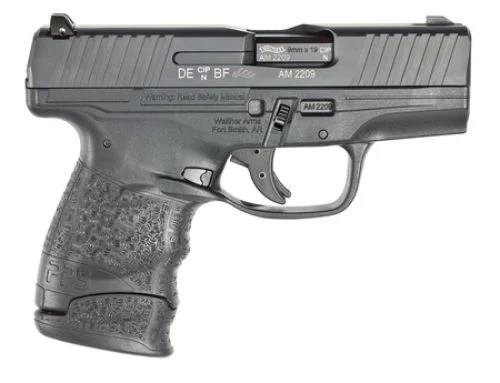
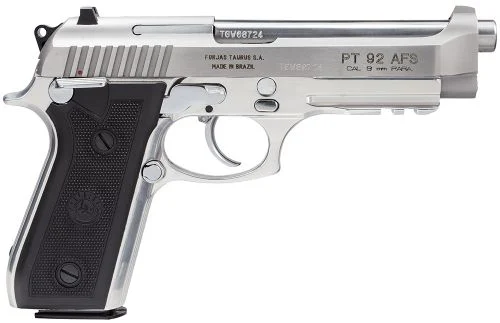
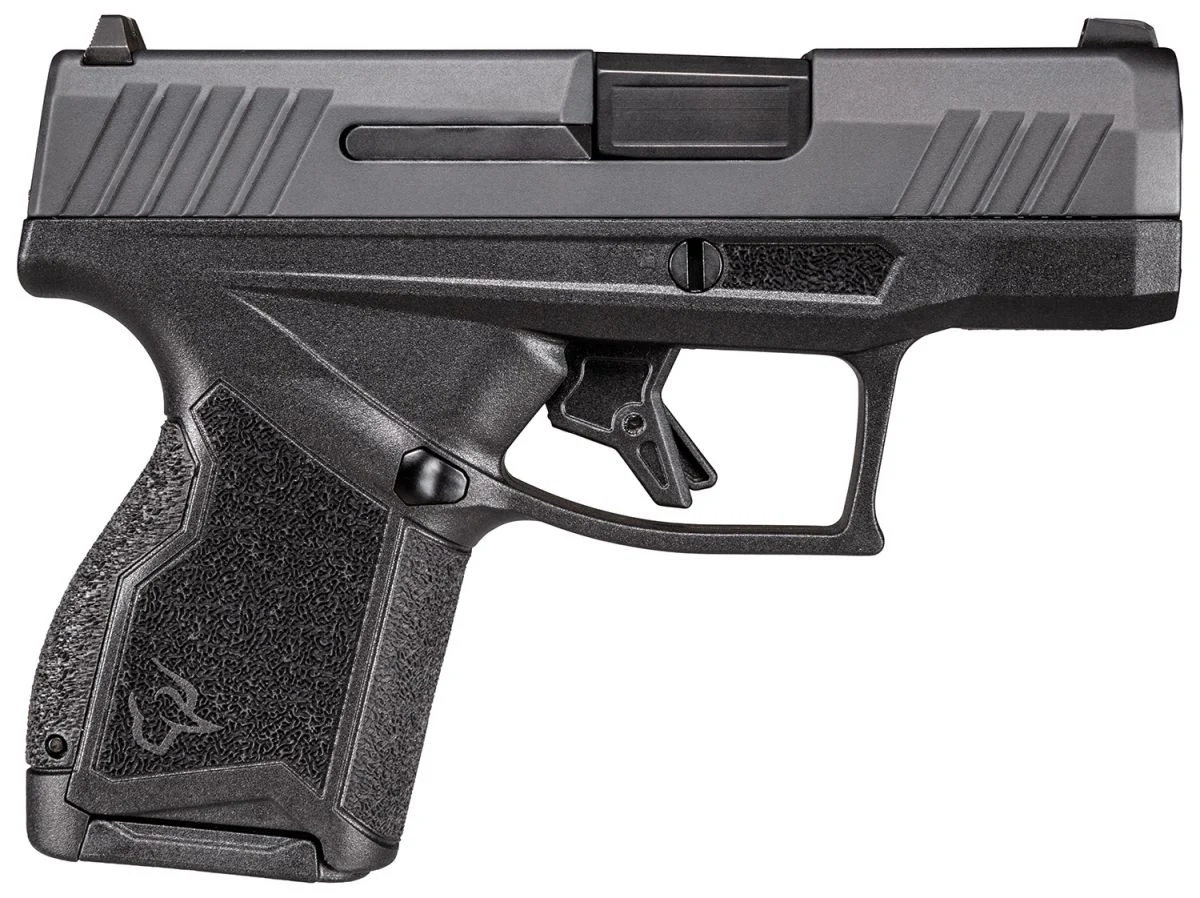
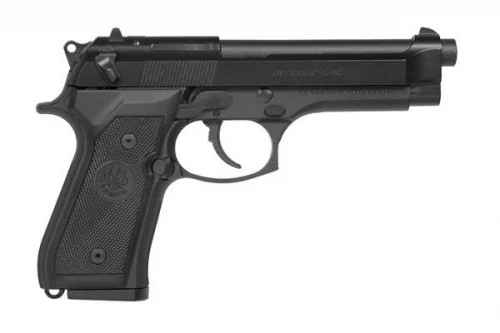
A California dealer may only sell a handgun that is a make and model on the Department of Justice Roster of Certified Handguns. Models reach the roster by passing firing, safety and drop tests. Private party transfers, curio and relic handguns, certain single-action revolvers and pawn or consignment returns fall outside the requirement.
The roster has been in litigation for years. Under court orders in Boland v. Bonta, the Department has been adding models that do not carry the chamber load indicator, magazine disconnect and microstamping features the statute once demanded; in September 2026 it added 25 more semi-automatic models on that basis. The practical effect is that the roster is now longer and changes more often than it used to. Before you order a handgun, check that the exact model and finish appear on the current roster, and ask your dealer to confirm it.
Age rules
Penal Code section 27510 says a licensed dealer shall not sell or deliver a firearm to anyone under 21. The exceptions are narrow and cover long guns only: a person 18 or over with a valid California hunting license, active members of the armed forces, and active or honorably retired peace officers and federal agents. There is no exception for handguns.
One firearm in 30 days
California limited buyers to one firearm application in any 30-day period under Penal Code section 27535. In June 2025 the Ninth Circuit held that law unconstitutional in Nguyen v. Bonta, and the statute now carries a sunset date that has passed. Dealers have handled the change at different speeds and the area is still moving, so treat multiple purchases as a question for your dealer rather than something to assume.
Magazines and semi-automatic rifles
It is illegal to buy, sell, manufacture or import a magazine that holds more than ten rounds in California. Magazines lawfully owned before 2000 sit in a different category. The ban was upheld by an en banc Ninth Circuit in Duncan v. Bonta and a petition has been pending at the Supreme Court for over a year, so nothing has changed on the ground. Everything we ship to a California address is sold with magazines that hold ten rounds or fewer.
California also has an assault weapons law, Penal Code section 30515, that bans semi-automatic centerfire rifles with a detachable magazine and any one of a list of features, along with a list of named models. Rifles are sold into California either without those features or with a fixed magazine system. That law is being challenged in Miller v. Bonta, which the Ninth Circuit has held while related cases move through the Supreme Court. Until that ends, the features law applies.
Ammunition
Ammunition is its own system. A California buyer has to take delivery through a licensed ammunition vendor, and the Department of Justice runs an eligibility check before the transfer. Ordering online is fine, but the box goes to a vendor, not to your porch. The check was struck down by a Ninth Circuit panel in Rhode v. Bonta, the full court granted rehearing and heard argument in 2026, and the requirement is still being enforced while that is decided.
Private sales, transport and storage
Private party transfers in California go through a licensed dealer, who runs the same check and the same ten-day wait. In a vehicle, a handgun must be unloaded and locked in the trunk or in a locked container other than the glove box or console; long guns must be unloaded. Storing a firearm where a child or a prohibited person can reach it can be a crime, and a locked container or a locking device solves that.
From here, read our California carry licence guide for the sheriff's process, the Sacramento buying guide for how a transfer works locally, or start on the catalog.
General information, not legal advice. Current as of September 2026. Laws change; check the official source before you act.