Posted on

HK VP9CC vs Sig P365: California-Compliant Comparison

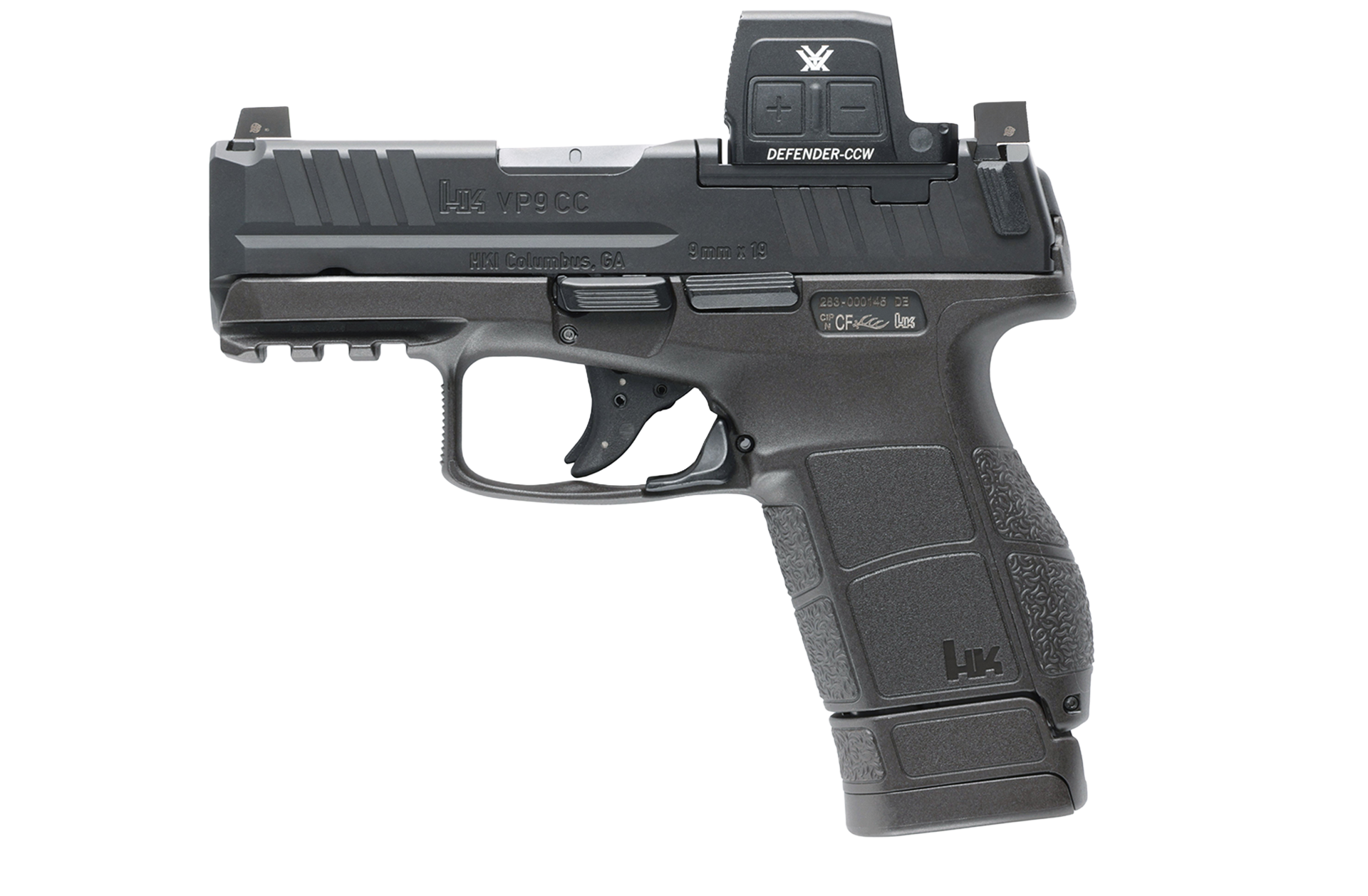
Heckler & Koch VP9CC 9mm Micro Compact w/ Vortex Defender CCW

Choosing a concealed carry pistol in California involves navigating a unique set of constraints, primarily the state’s handgun roster. This often means the most popular micro-compact models available elsewhere are not an option for new purchases at your local FFL. As a California-licensed dealer, we frequently help customers work within these rules. Two standout, roster-compliant options that represent different philosophies are the HK VP9CC and the Sig Sauer P365 family. The VP9CC is a premium, optics-ready package, while the P365 models offer modularity and proven performance. We’ve handled, tested, and transferred both extensively at our Sacramento shop. This comparison breaks down the key differences to help you decide which might be the right fit for your needs and budget.

Overview and California Roster Status

First, the essential roster context. Both the HK VP9CC (SKU 81000440-JS) and various Sig Sauer P365 models (like the P365-9-BXR3) are listed on the California Department of Justice’s Roster of Certified Handguns. This means they can be sold new through a standard FFL transfer process, unlike many other popular carry guns. The VP9CC comes as a complete kit from the factory, while P365 models are typically sold as the pistol alone. It’s crucial to remember that regardless of the pistol’s standard magazine capacity, all transfers in California must be completed with 10-round magazines. Any higher-capacity magazines that may ship with the gun in other states cannot be imported or transferred here.

HK VP9CC: The Premium Contender

The HK VP9CC (Concealed Carry) represents Heckler & Koch’s direct entry into the modern concealed carry optics market. It’s not merely a smaller VP9; it’s a purpose-built package aimed at the discerning shooter.

Specs at a Glance: HK VP9CC

  • Model: VP9CC Optics Ready (with Vortex Defender-CCW)
  • Action: Striker-Fired
  • Caliber: 9mm Luger
  • Barrel Length: 3.6 inches
  • Overall Length: 6.7 inches
  • Height: 4.6 inches
  • Width: 1.3 inches
  • Weight (Unloaded): 23.99 oz
  • Standard Magazine Capacity (Non-CA): 12+1 and 17+1
  • California-Compliant Capacity: 10+1 (via blocked/limited magazines)
  • Sights: Suppressor-height, co-witness with optic
  • Optic Mounting System: Proprietary HK low-mount interface (Vortex Defender-CCW included)
  • Warranty: HK Limited Lifetime Warranty

What’s in the Box (HK VP9CC)

The VP9CC kit is comprehensive. You get the optics-ready pistol, a Vortex Defender-CCW red dot sight already mounted, two 10-round magazines (one flush, one extended), a hard plastic case, a cable lock, and all necessary tools. It’s a true “ready-to-go” system out of the box.

Sig Sauer P365 Family: The Modular Standard

The Sig Sauer P365 revolutionized the carry market with its high capacity in a tiny footprint. In California, we most commonly see the base P365 model, though the roster also includes configurations like the P365 SAS. The platform’s strength is its modular FCU (Fire Control Unit) design.

Specs at a Glance: Sig P365 (Base Model)

  • Model: P365
  • Action: Striker-Fired
  • Caliber: 9mm Luger
  • Barrel Length: 3.1 inches
  • Overall Length: 5.8 inches
  • Height: 4.3 inches (with flush mag)
  • Width: 1.0 inch
  • Weight (Unloaded): 17.8 oz
  • Standard Magazine Capacity (Non-CA): 10+1, 12+1, 15+1
  • California-Compliant Capacity: 10+1 (via roster-approved 10-round magazines)
  • Sights: Sig X-RAY3 Day/Night Sights
  • Optic Mounting: Requires separate purchase of an optics-ready slide or aftermarket milling (for base model).
  • Warranty: Sig Sauer Limited Lifetime Warranty

What’s in the Box (Sig P365 Base Model)

The standard P365 box contains the pistol, one or two 10-round magazines (depending on the specific SKU), a cable lock, and a hard case. An optic is not included. To add a red dot, you typically need to buy a separate P365 slide assembly that is optics-ready, which uses Sig’s proprietary ROMEOZero footprint or the newer, more common Shield RMSc footprint.

Head-to-Head Comparison

Price and Value

This is the most stark difference. The HK VP9CC kit has a Manufacturer’s Suggested Retail Price around $1,399. The Sig Sauer P365 base model typically retails for approximately $650. The VP9CC price includes a premium red dot sight. If you added a comparable micro red dot to the P365 (slide + optic), you’d add $300-$500, narrowing but not eliminating the price gap. The VP9CC is a premium, all-in-one purchase. The P365 offers a lower entry point with the potential for incremental upgrades. For a customer in Sacramento looking for a complete carry solution immediately, the VP9CC kit is convenient. For someone on a tighter budget or who prefers to customize over time, the P365 starts much lower.

Size, Concealability, and Capacity

The P365 is significantly smaller and lighter. Its 1-inch width and sub-18-ounce weight make it disappear easily, a key advantage for all-day carry, especially in California’s warmer climates where lighter clothing is common. The VP9CC is a compact, not a micro-compact. It’s wider, taller, and heavier. While still very concealable, it requires a more robust holster and belt. Regarding capacity, both are limited to 10 rounds in California. The P365 platform was famous for offering 10+1 rounds in its tiny frame, a major selling point. The VP9CC offers the same 10+1 capacity here, but in a larger package. This neutralizes one of the P365’s biggest advantages in free states, making the size difference even more pronounced for California shooters.

Trigger Feel

Both have excellent striker-fired triggers, but with different characters. The HK VP9CC trigger is a known quantity: a crisp, consistent break around 5 pounds with a very short, tactile reset. It’s one of the best factory striker triggers available. The Sig P365 trigger has a slightly longer, smoother take-up with a clean break, also around 5 pounds. The reset is good but not as short and pronounced as the HK’s. In our testing, most shooters find the HK trigger slightly more refined for precision work, while the P365 trigger is perfectly serviceable and reliable for defensive use.

Optic Mounting System

This is a major functional divergence. The HK VP9CC uses a proprietary low-mount system. The Vortex Defender-CCW is included and mounts directly to the slide, sitting extremely low. This is great for a low bore axis and co-witness with the suppressor-height sights. However, it locks you into the Vortex optic or any future optics HK specifically makes for this footprint. The Sig P365 optics-ready slides (not the base model slide) use a more common micro red dot footprint (Shield RMSc/Sig ROMEOZero). This gives you a wider, though still limited, selection of optics like the Sig ROMEOZero, Holosun HS407K/HS507K, and others. The base P365 model requires you to buy an entirely new slide or have your slide milled, adding cost.

Build Quality and Sights

The HK features a hammer-forged barrel and a generally over-engineered feel consistent with German manufacturing. The fit and finish are exceptional. The P365, made in the USA, is built for reliability and weight savings. Its build quality is very good, employing a stainless steel slide and a polymer grip module. The sights are another differentiator. The VP9CC comes with tall, blacked-out suppressor-height sights that perfectly co-witness through the Vortex optic. The P365 comes with Sig’s excellent X-RAY3 day/night sights, which are superb iron sights on their own. If your P365 slide is not optics-ready, these are your primary sights.

Warranty

Both manufacturers back their pistols with a limited lifetime warranty for the original purchaser. In our experience at Cal Guns Depot, both HK and Sig have reputable customer service departments. Warranty claims are rare for either platform, as both are known for high reliability.

Pros and Cons Summary

HK VP9CC

Pros:

  • Complete optics-ready kit out of the box (optic included).
  • Superior, crisp trigger with a short reset.
  • Excellent build quality and hammer-forged barrel.
  • Excellent co-witnessing suppressor-height sights.
  • Low optic mount for a natural sight picture.

Cons:

  • High initial purchase price.
  • Larger, wider, and heavier than the P365.
  • Proprietary optic mount limits future optic choices.
  • In California, its size does not translate to a capacity advantage.

Sig Sauer P365

Pros:

  • Significantly smaller, lighter, and easier to conceal.
  • Much lower initial purchase price.
  • Modular FCU system allows extensive customization (grips, slides).
  • Excellent standard night sights.
  • Uses a more common micro red dot footprint (on OR slides).

Cons:

  • Optics-ready configuration requires additional purchase.
  • Trigger, while good, is not quite on the level of the HK’s.
  • The smaller size can be harder to shoot for those with large hands.
  • Build feel is more utilitarian compared to the HK’s premium finish.

Who Should Buy Which Pistol?

Choose the HK VP9CC if:

You prioritize a premium, all-in-one package and are willing to pay for it. You have larger hands and find micro-compacts too small to shoot comfortably. You want one of the best factory triggers available and appreciate exceptional fit and finish. You plan to use the included Vortex optic and don’t foresee wanting to change it. Concealment is important, but you are willing to manage a slightly larger pistol for its other advantages.

Choose the Sig Sauer P365 if:

Maximum concealability and comfort for all-day, everyday carry is your top priority. You are on a defined budget and want the most proven, capable micro-compact available on the roster. You enjoy the idea of a modular platform you can customize over time (changing grip modules, adding an optic slide later). You want the flexibility of a more common optic footprint. You want a lighter pistol, advantageous for California’s long summers.

Frequently Asked Questions

Q: Can I legally buy the P365 with 12-round magazines in California?
A: No. All new handguns transferred through a California FFL, including at our Sacramento location, must be delivered with 10-round magazines only. Any P365 shipped to a dealer will have compliant magazines.
Ready to buy? The Heckler & Koch VP9CC 9mm Micro Compact w/ Vortex Defender CCW is in stock at Cal Guns Depot — $1099.00. View Product →

Posted on

Glock Factory 15rd vs Shield Arms S15: California-Compliant Comparison

Glock 43X (New 2026) 9mm w/ 15rd Metal Magazines

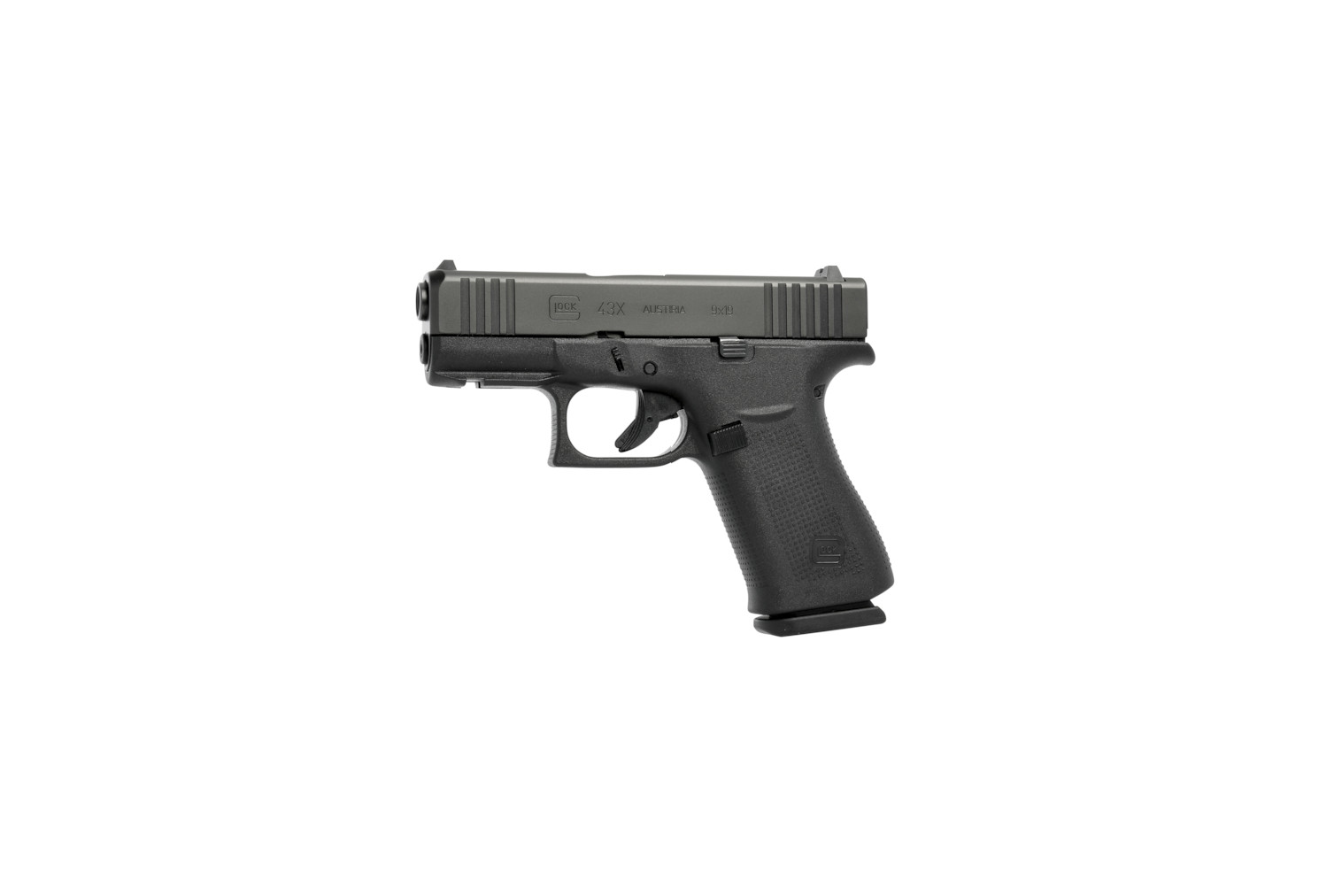
As a California-licensed firearms dealer, we get a lot of questions about magazine options for the Glock 43X and 48. For years, the only way to increase capacity beyond the standard 10 rounds in California was through a specific, and sometimes problematic, aftermarket path. That changed recently with the introduction of a factory-made 15-round magazine from Glock. Now, our customers at Cal Guns Depot in Sacramento are faced with a choice: the new factory option or the established aftermarket solution from Shield Arms. Having handled and tested both, we’re writing this detailed comparison to cut through the hype and provide a clear, compliance-focused look at what each option means for a California gun owner.

Understanding the California Context

Before we dive into the magazines themselves, it’s crucial to frame this discussion within California law. Standard-capacity magazines holding more than 10 rounds are generally not permitted for sale or transfer to civilians. However, there are legal pathways for possession. This article discusses magazines that are legally acquired through means such as Freedom Week purchases or as part of a legally imported single-shot exempt pistol that is later converted. The critical point for us as a Sacramento FFL is that we can only sell and transfer firearms in a compliant configuration, typically with a 10-round magazine. The upgrade to a 15-round magazine is an after-purchase modification done by the owner, who is solely responsible for ensuring their possession is lawful. This legal nuance is why reliability and simplicity are paramount—your defensive equipment must work without question.

Glock Factory 15-Round Magazine: The Known Quantity

Glock’s entry into this space was a significant development. For the first time, owners of the slimline 43X/48 platform could get increased capacity from the original equipment manufacturer (OEM).

Specs at a Glance

  • Manufacturer: Glock
  • Model: Factory 15-round magazine for Glock 43X/48
  • Material: Steel liner with polymer shell
  • Magazine Catch: Compatible with standard OEM polymer magazine catch
  • Capacity: 15 rounds
  • Approximate Retail: ~$32.73
  • California Roster Note: Not a roster item; a separate accessory.

What’s in the Box

The Glock factory magazine comes in typical Glock packaging. You get the 15-round magazine itself. It does not include a magazine catch or any other parts, as none are needed.

Design and Installation

The core advantage of the Glock factory magazine is its seamless integration. It uses the same hybrid steel-polymer construction as other modern Glock mags. Most importantly, it is designed to work perfectly with the existing polymer magazine catch in your Glock 43X or 48. This means installation is as simple as loading the magazine and inserting it into the pistol. There is no need to disassemble the firearm, swap parts, or modify anything. For California gun owners who may use their pistol for both home defense and roster-compliant carry (with a 10-round mag), this allows for effortless switching between magazine types without any permanent changes to the gun.

Performance and Reliability

In our testing, the Glock factory magazines performed exactly as we expected: flawlessly. We tested with a variety of 9mm ammunition, including 115gr and 124gr FMJ range ammo, as well as several types of JHP defensive loads. Feeding, locking the slide back on empty, and drop-free operation were consistent. This reliability is not surprising—it’s a Glock factory part operating in a Glock-designed system. For daily carry or defensive use, this predictable performance is the primary consideration. The polymer shell also makes the magazine slightly lighter and, in our experience at the range in various Sacramento climates, less prone to attracting grit and debris that can sometimes stick to bare metal.

Shield Arms S15 Gen 3 Magazine: The Aftermarket Contender

Shield Arms pioneered the 15-round capacity for the 43X/48 platform. Their S15 magazine is a fully metal, aftermarket design that has evolved through several generations to address reported issues.

Specs at a Glance

  • Manufacturer: Shield Arms
  • Model: S15 Gen 3
  • Material: Machined aluminum (body), steel (follower/internal parts)
  • Magazine Catch: Requires installation of Shield Arms steel magazine catch
  • Capacity: 15 rounds
  • Approximate Retail: ~$40-$45 (magazine only), plus ~$20 for required steel mag catch
  • California Roster Note: Not a roster item; a separate accessory.

What’s in the Box (for the Magazine)

When you purchase a Shield Arms S15 magazine, you get the metal magazine. The required steel magazine catch is a separate purchase. Some bundles include both.

Design and Installation

The S15 is a well-machined, all-metal magazine. Its installation is not plug-and-play. To function correctly and prevent excessive wear, the S15 requires you to replace your Glock’s factory polymer magazine catch with Shield Arms’ proprietary steel catch. This is a permanent modification to your firearm that involves partial disassembly. While the install is straightforward for most, it changes the gun. This swap means the pistol may not function reliably with the original 10-round polymer Glock magazines, as the steel catch can wear down the polymer mag catch notch. For a California owner, this can be a significant drawback, as it potentially dedicates the pistol to the metal magazines only.

Performance, Reliability, and Reported Concerns

Shield Arms magazines have a dedicated following, and many users report good performance. The Gen 3 version aimed to fix earlier problems. However, in our hands and based on consistent reports from our customers at Cal Guns Depot, we have observed and been informed of ongoing issues that give us pause for a defensive firearm. The most serious reported problem is magazines falling out during firing or under recoil. This appears to be related to tolerance stacking between the magazine, the aftermarket steel catch, and the pistol frame. We have also seen more frequent failures to lock the slide back on the last round with S15s compared to OEM mags. While many function fine, the inconsistency is the problem. When we test gear for potential carry, we need a 100% success rate, not a 95% rate.

Head-to-Head Comparison: Key Decision Factors

Reliability for Daily Carry

This is the most critical category. The Glock factory magazine benefits from integrated design and testing by the pistol’s manufacturer. Our testing showed zero malfunctions attributable to the magazine. The Shield Arms S15, even in Gen 3 form, carries a history of sporadic but serious reliability complaints, primarily the magazine ejection issue. For a tool intended for self-defense, we cannot ignore these reports. Winner: Glock Factory Magazine.

Ease of Use & Reversibility

The Glock magazine requires no gunsmithing, no parts swaps, and no permanent changes. You can run a 10-round OEM mag for compliant carry and a 15-round factory mag for other purposes interchangeably. The Shield Arms path requires a parts change that alters the pistol and may degrade function with OEM mags. Winner: Glock Factory Magazine.

Cost

On the surface, the Glock magazine has a lower MSRP (~$32.73 vs. ~$40+). More importantly, the Glock option has no additional required parts cost. The Shield Arms system requires the $20+ steel magazine catch, making the true starting cost over $60. Winner: Glock Factory Magazine.

Durability & Material

The all-metal construction of the S15 is appealing for long-term wear resistance. The Glock’s polymer shell is durable but can show scuffs more easily. However, the steel-lined Glock magazine is plenty durable for a lifetime of use. This category is closer, but the metal-on-metal wear between the S15 and its required catch is a factor some overlook. Draw.

Pros and Cons Summary

Glock Factory 15-Round Magazine

Pros:

  • Perfect reliability and compatibility with the OEM pistol.
  • No modification to the firearm required.
  • Fully interchangeable with 10-round OEM magazines.
  • Lower total cost (no extra parts needed).
  • Backed by Glock’s reputation and warranty.

Cons:

  • Polymer shell may not feel as premium to some users.
  • Newer to the market than the S15 (though proven in design).

Shield Arms S15 Gen 3 Magazine

Pros:

  • All-metal construction.
  • Proven concept with a large user base.
  • Gen 3 improvements over earlier versions.

Cons:

  • Requires permanent modification (steel mag catch install).
  • Ongoing reports of reliability issues (mags dropping free under recoil).
  • May cause OEM 10-round mags to not function reliably.
  • Higher total cost when including the required magazine catch.
  • Aftermarket warranty and support.

Our Recommendation for California Owners

For the California gun owner, especially one considering the Glock 43X or 48 for any defensive role, the choice is clear in our professional opinion. The Glock factory 15-round magazine is the superior and safer choice. The primary reason is guaranteed reliability without modifying your firearm. California’s legal landscape is complicated enough without adding uncertainty about your equipment’s function. The ability to seamlessly use both 10-round and 15-round magazines in the same pistol is a huge practical advantage for compliance and versatility. While the Shield Arms S15 works for many, the documented risk of catastrophic failure (magazine ejection) is a risk we cannot recommend anyone take with a carry gun. The factory Glock magazine provides increased capacity with zero compromise on the platform’s legendary reliability.

Frequently Asked Questions

Are these 15-round magazines legal to buy in California?

As standalone items, licensed dealers like Cal Guns Depot cannot sell them to the general public. They must be possessed in a lawful manner, such as acquired during Freedom Week or as part of a lawful import. We can only sell the firearm with a compliant 10-round magazine.

Will using the Glock factory 15-round magazine void my Glock warranty?

No. It is a Glock factory part. Using it in your compatible Glock pistol has no impact on the firearm’s warranty.

I already installed the Shield Arms metal mag catch. Can I use the Glock factory 15-round mag?

We do not recommend it. The steel magazine catch may cause accelerated wear on the different metal composition of the Glock factory magazine’s catch notch. It is best to use the magazine catch designed for the magazine you intend to use primarily.

Is the Shield Arms S15 completely unreliable?

Not completely. Many users have no issues. However, the frequency of serious reports (magazines falling out) is high enough that it fails the standard for recommended defensive equipment. For range use only, it may be an acceptable option for some, but not for carry.

Does the Glock factory magazine drop free easily?

In our testing with multiple Glock 43X and 48 pistols, the factory 15-round magazine dropped free cleanly and consistently, just like the standard 10-round magazine.

Can I use these magazines in a single-shot exempt (SSE) pistol conversion?

When dealing with SSE conversions, the configuration during the DROS transfer is what matters legally. The

Ready to buy? The Glock 43X (New 2026) 9mm w/ 15rd Metal Magazines is in stock at Cal Guns Depot — $599.00. View Product →