
Posted on Leave a comment

Why a Short Barrel Rifle Beats a Carbine for Home Defense in California

As a California firearms retailer and longtime gun shop owner, I’ve helped countless residents choose the right tools for home defense. In a state with some of the nation’s strictest gun laws, selecting a firearm isn’t just about performanceu2014it’s about compliance, practicality, and effectiveness within legal boundaries. One question I hear frequently is whether a carbine or a short barrel rifle (SBR) is better for protecting your home. After years of hands-on experience and customer feedback, I’m convinced that for most California homeowners, a properly configured short barrel rifle offers distinct advantages over a traditional carbine. Let’s explore why.

Understanding the Legal Landscape for Short Barrel Rifles in California

Before diving into performance, we must address California’s regulatory environment. A short barrel rifle is defined federally as a rifle with a barrel shorter than 16 inches or an overall length under 26 inches. In California, owning a short barrel rifle requires compliance with both federal National Firearms Act (NFA) rules and state-specific regulations. This means submitting ATF Form 4, paying the $200 tax stamp, and enduring the typical 30-120 day waiting period for approval. Additionally, California requires that any short barrel rifle be registered as an assault weapon if it has certain features, or it must be configured in a featureless or fixed-magazine manner to comply with state assault weapon laws. Despite these hurdles, thousands of Californians legally own and use SBRs for home defenseu2014and for good reason.

Maneuverability: The Key Advantage of a Short Barrel Rifle

In a home defense scenario, space is limited. Hallways, doorways, and corners restrict movement, making a compact firearm essential. A short barrel rifle, with its reduced length, excels here. Compared to a standard 16-inch carbine, an SBR is significantly easier to maneuver in tight spaces. This isn’t just about comfortu2014it’s about effectiveness. When seconds count, the ability to quickly navigate your home without your firearm catching on doorframes or furniture can make a critical difference. Many customers who’ve switched from carbines to short barrel rifles report feeling more confident and agile during training drills. The compact design of a short barrel rifle allows for faster target acquisition and smoother transitions between rooms, giving you a tactical edge.

Balanced Performance: Accuracy and Control

Some shooters worry that a shorter barrel sacrifices accuracy or increases recoil. In reality, modern short barrel rifle designs maintain excellent performance. For home defense distancesu2014typically under 25 yardsu2014a short barrel rifle is just as accurate as a carbine. The key is ammunition selection and proper training. Additionally, many SBRs are chambered in intermediate calibers like 5.56mm or .300 Blackout, which offer manageable recoil and effective stopping power. When paired with a quality muzzle device or suppressor (where legal), a short barrel rifle can be even more controllable than a longer carbine. This balance of power and precision makes the short barrel rifle a reliable choice for defending your California home.

Why a Short Barrel Rifle Outshines a Carbine in California Homes

California’s unique housing often features multi-story layouts, narrow corridors, and shared walls in apartments or condos. A carbine, while versatile, can be cumbersome in these environments. A short barrel rifle, however, is tailored for such conditions. Its shorter overall length reduces the risk of flagging (unintentionally pointing the muzzle at something you don’t intend to shoot) when moving through tight spaces. Moreover, the shorter barrel of a short barrel rifle minimizes muzzle flash in low-light situations, which is common during home invasions at night. This not only preserves your night vision but also reduces disorientation in a high-stress event. For California residents, these practical benefits make the SBR a superior home defense tool.

Practical Considerations for California SBR Owners

Owning a short barrel rifle in California requires careful planning. Beyond the NFA process, you must ensure your SBR complies with state laws. This might mean using a featureless stock, a fixed magazine, or other modifications. Storage is another factoru2014a compact short barrel rifle is easier to secure in a quick-access safe, which is crucial for both safety and compliance. At CalGunsDepot, we specialize in helping customers navigate these requirements. We offer compliant SBR configurations and expert guidance to ensure your firearm is both effective and legal. Remember, a short barrel rifle isn’t just a purchase; it’s an investment in your family’s safety within the framework of California law.

Frequently Asked Questions About Short Barrel Rifles for Home Defense

FAQ

Q: Is a short barrel rifle legal for home defense in California?
A: Yes, if properly registered under the NFA and configured to comply with California assault weapon laws (e.g., featureless or fixed-magazine).

Q: How long does it take to get approval for a short barrel rifle?
A: The ATF typically processes Form 4 applications in 30-120 days, though times can vary.

Q: Can I use a short barrel rifle in an apartment or condo?
A: Absolutely. Its compact size makes it ideal for tight spaces, but always consider overpenetration risks and use appropriate ammunition.

Q: What calibers are best for a home defense short barrel rifle?
A: Popular choices include 5.56mm, .300 Blackout, and 9mm, depending on your needs for power, recoil, and overpenetration concerns.

Q: Do I need special training to use a short barrel rifle effectively?
A> While similar to carbines, training with an SBR’s shorter length is recommended to maximize its advantages in home defense scenarios.

In summary, a short barrel rifle offers superior maneuverability, balanced performance, and practical benefits for California home defense. While the compliance process requires patience, the result is a firearm tailored to the realities of protecting your home in our state. If you’re considering a short barrel rifle, explore our selection of compliant options in our SBRs category. Check out specific models like the Daniel Defense MK18 SBR or the Sig Sauer MCX Rattler SBR to see how they might fit your needs. Visit CalGunsDepot todayu2014our team is here to help you make an informed, compliant choice for your family’s safety.
Posted on Leave a comment

Short Barrel Rifle Cleaning and Maintenance Guide for California Owners

Short Barrel Rifle Cleaning and Maintenance Guide for California Owners

Owning a short barrel rifle in California requires not just legal compliance but also proper maintenance to ensure safety and reliability. As a firearms retailer serving the Golden State for over a decade, we’ve seen how proper care extends the life of your investment and prevents malfunctions. This comprehensive guide will walk you through everything you need to know about maintaining your short barrel rifle, from basic cleaning to advanced preservation techniques. Whether you’re a new SBR owner or looking to refine your maintenance routine, these expert tips will help you keep your firearm in peak condition while staying compliant with California regulations.

Essential Tools for Short Barrel Rifle Maintenance

Before diving into cleaning procedures, you need the right tools. A proper cleaning kit for your short barrel rifle should include: a cleaning rod with appropriate caliber attachments, bore brushes, patches, cleaning solvent, lubricating oil, a cleaning mat, and protective gloves. For California owners who often face unique environmental conditionsu2014from coastal humidity to desert dustu2014we recommend adding a dehumidifying agent and rust-preventive spray to your kit. Quality tools make maintenance easier and more effective, protecting your investment in your short barrel rifle.

Step-by-Step Cleaning Process for Your Short Barrel Rifle

Begin by ensuring your firearm is completely unloadedu2014double-check the chamber and magazine well. Field strip your short barrel rifle according to the manufacturer’s instructions. Start with the barrel: apply solvent to a bore brush and run it through the barrel several times, followed by dry patches until they come out clean. Pay special attention to the chamber area, which experiences high pressure and heat. Clean the bolt carrier group thoroughly, removing carbon buildup from the bolt face and gas rings. Wipe down all metal surfaces with a solvent-dampened cloth, then apply a light coat of lubricant to moving parts. Remember that in California’s varied climates, you may need to adjust lubrication frequencyu2014more often in dusty inland areas, less in humid coastal regions.

California-Specific Maintenance Considerations

California’s diverse environments present unique challenges for firearm maintenance. Coastal owners must combat salt air and humidity that accelerate corrosion, while inland owners face dust and extreme temperature fluctuations. For your short barrel rifle, we recommend more frequent inspections if you live near the oceanu2014check for rust weekly during humid months. Use quality rust-preventive products on all metal surfaces. For desert areas, focus on keeping dust out of the action with regular compressed air cleaning. California also has specific storage requirements; ensure your cleaning area and storage solution comply with state laws regarding firearm security.

NFA Compliance and Maintenance Best Practices

As a registered NFA item, your short barrel rifle requires special consideration during maintenance. Always keep your Form 4 documentation accessible when transporting your SBR for cleaning or gunsmithing. The $200 tax stamp and ATF approval (typically requiring 30-120 days wait) represent a significant investment worth protecting through proper care. When disassembling beyond field-stripping, ensure you can reassemble the firearm to its registered configuration. We recommend photographing your short barrel rifle before major disassembly to document its configuration. For California residents, remember that transporting NFA items requires additional precautionsu2014always have your paperwork and follow all state transportation laws.

Advanced Maintenance for Frequent Shooters

If you shoot your short barrel rifle regularly, consider these advanced maintenance tips. After every range session, perform a basic cleaning to prevent carbon buildup. Every 500 rounds, do a thorough cleaning including gas system inspection. For California competition shooters or those who train frequently, consider professional inspection annually. Check our selection of SBR accessories for specialized maintenance tools. Products like the Daniel Defense MK18 cleaning kit are designed specifically for popular SBR platforms. For lubricants that perform well in California conditions, consider Slipstream Extreme Climate Lube.

Common Maintenance Mistakes to Avoid

Through years of servicing firearms in California, we’ve identified common maintenance errors SBR owners make. Over-lubrication attracts dust and grit in dry climates. Using improper cleaning tools can damage your short barrel rifle’s bore. Neglecting the gas system on piston or direct impingement rifles leads to reliability issues. Storing firearms in foam cases traps moisture against metal surfacesu2014a particular problem in humid California coastal areas. Finally, attempting modifications beyond your skill level can create compliance issues with your registered NFA item.

Short Barrel Rifle Maintenance FAQ

How often should I clean my short barrel rifle?
Clean after every use for optimal performance. In California’s dusty or humid conditions, even unfired firearms should be inspected monthly.
Can I use the same cleaning kit for my SBR and other rifles?
Yes, but ensure caliber-specific components match. The shorter barrel may require different rod lengths or techniques.
What’s the most overlooked part in SBR maintenance?
The gas systemu2014especially important in short barrel rifles where gas pressure differs from full-length rifles.
Are there California-specific cleaning products I should use?
While no products are California-specific, choose rust preventives for coastal areas and dust-resistant lubricants for inland regions.
How does NFA status affect maintenance?
You must maintain the registered configuration. Major modifications may require re-filing with ATF. Always keep paperwork accessible.

Storage Solutions for California SBR Owners

Proper storage protects your investment and ensures compliance. California law requires specific security measures for all firearms. For your short barrel rifle, consider a quality safe with dehumidificationu2014essential in many parts of the state. Store your SBR unloaded with critical components separated if possible. Include silica gel packets to control moisture. Regularly inspect stored firearms, particularly during seasonal changes when temperature and humidity fluctuate. Your short barrel rifle represents both a financial investment and a responsibilityu2014proper storage protects both.

When to Seek Professional Gunsmithing

While regular maintenance is owner-manageable, certain situations require professional attention. If you encounter persistent malfunctions, accuracy degradation, or unusual wear patterns, consult a gunsmith familiar with short barrel rifles. California has many qualified professionals who understand both NFA items and state regulations. For modifications beyond basic maintenanceu2014especially those affecting barrel length or overall configurationu2014professional guidance ensures you remain compliant with ATF regulations. Remember that improper gunsmithing could jeopardize your NFA registration.

Maintaining your short barrel rifle properly ensures reliability, safety, and longevity of your investment. As California’s premier firearms retailer, we’re committed to helping owners navigate both maintenance and compliance. Visit CalGunsDepot for all your SBR maintenance needsu2014from cleaning kits to professional gunsmithing services. Our experts understand the unique challenges of owning NFA items in California and are here to help you maintain your firearms properly. Stop by our shop or contact us today for personalized advice on caring for your short barrel rifle.

Posted on Leave a comment

Short Barrel Rifle Interstate Travel: ATF Form 5320.20 Explained for California Gun Owners

As a California firearms retailer specializing in NFA items, we at CalGunsDepot frequently field questions from owners about transporting their regulated firearms. One of the most common inquiries involves traveling across state lines with a short barrel rifle (SBR). Unlike standard firearms, your short barrel rifle is subject to strict National Firearms Act (NFA) regulations, and interstate movement requires specific approval from the Bureau of Alcohol, Tobacco, Firearms and Explosives (ATF). This process centers on ATF Form 5320.20, the “Application to Transport Interstate or to Temporarily Export Certain National Firearms Act (NFA) Firearms.” This guide will walk you through everything you need to know about legally traveling with your short barrel rifle, ensuring you remain compliant with both federal law and California’s specific regulations.

Understanding the NFA and Your Short Barrel Rifle

Before diving into the travel form, it’s crucial to remember the foundational rules governing your firearm. A short barrel rifle is defined federally as a rifle with a barrel length of less than 16 inches or an overall length of less than 26 inches. Owning one requires prior ATF approval via a Form 4 application, payment of a $200 tax stamp, and a typical wait time ranging from 30 to 120 days for processing. This registration ties the firearm to you, the owner, and to your primary address as listed on the approved Form 4. In California, possessing an SBR adds another layer of complexity, as state assault weapon laws may apply depending on the firearm’s features. Always ensure your SBR is configured in a California-compliant manner before any travel considerations.

When Do You Need ATF Form 5320.20 for a Short Barrel Rifle?

You must file ATF Form 5320.20 and receive an approved copy *before* transporting your short barrel rifle across any state line. This requirement applies whether you are moving permanently, taking a vacation, attending a shooting competition, or even just visiting a gunsmith in another state. The key is the crossing of a state boundary. Transporting your SBR within California does not require this form, but you must still adhere to state transport laws (e.g., locked container, unloaded). The form is for notifying the ATF of the temporary or permanent change in the location of your registered NFA item. Think of the approved Form 5320.20 as your travel permit for your short barrel rifle.

Step-by-Step Guide to Filling Out ATF Form 5320.20

Completing the form correctly is essential to avoid delays or denials. You can download the latest version directly from the ATF website. Here’s a breakdown of the key sections:

  • Section 1 (Transporter/Exporter): This is you, the registered owner. Fill in your name, address, and other details exactly as they appear on your approved Form 4.
  • Section 2 (Firearm Description): Precisely transcribe the information from your Form 4: manufacturer, model, serial number, caliber, and overall length. For a short barrel rifle, the type is “rifle.”
  • Section 3 (Transport/Export Information): This is the core of the application. You must list the complete address of your starting point (e.g., your home in California) and the complete address of your destination. Specify the reason for transport (e.g., “temporary for competition,” “permanent move”) and the exact dates. For temporary moves, the approval is typically valid for one year.
  • Section 4 (Signature): Sign and date the form. A responsible person must sign if the owner is a legal entity like a trust or corporation.

Mail the completed form to the ATF’s NFA Division. Processing can take several weeks, so plan well ahead of your trip. Always travel with a copy of your approved Form 4 and the approved Form 5320.20.

California-Specific Considerations for SBR Travel

California gun owners face unique challenges. First, you must ensure your short barrel rifle is legally possessed under California law before you can even apply to transport it out of state. Second, when traveling to another state, you are responsible for knowing and obeying that state’s laws regarding SBRs. Some states prohibit them entirely. Third, upon returning to California, you must ensure your firearm is still in a compliant configuration. The legal landscape in California is dynamic, so consulting with a knowledgeable attorney or your trusted dealer at CalGunsDepot before travel is always a wise precaution. Remember, compliance is a continuous responsibility.

Common Pitfalls and Pro Tips for SBR Travel

Avoid these mistakes to ensure a smooth journey with your short barrel rifle:

  • Last-Minute Filing: The ATF does not expedite these forms. Submit your Form 5320.20 at least 60-90 days before your planned travel.
  • Incomplete Addresses: PO Boxes are often insufficient. Use the physical street address where the firearm will be stored.
  • Forgetting the Paperwork: The approved forms must accompany the firearm. Digital copies on your phone are not a reliable substitute for physical copies.
  • Ignoring State Laws: Federal approval does not override state prohibitions. Research your destination’s laws meticulously.

A pro tip for frequent travelers: you can request a blanket approval for a recurring destination (like a family cabin) for up to one year, simplifying future trips.

Frequently Asked Questions: Short Barrel Rifle Travel

Q: How long does it take to get ATF Form 5320.20 approved?
A: Processing times vary but typically range from 3 to 8 weeks. Plan accordingly and never assume approval will be quick.
Q: Can I travel through a state that bans SBRs if I’m just passing through?
A: This is a significant legal risk. The Firearm Owners’ Protection Act (FOPA) may provide protection for unloaded, locked firearms in transit, but its application to NFA items like a short barrel rifle is less clear and risky. It is best to avoid such states entirely.
Q: Do I need a new Form 5320.20 for every trip?
A: For temporary travel to the same address, one approval can cover multiple trips within its validity period (usually one year). A new form is needed for a new destination or after the approval expires.
Q: What if my travel plans change after I get approval?
A: If your destination or dates change significantly, you should submit a new Form 5320.20. The approval is specific to the information provided.
Q: Can my trust or corporation submit the form?
A: Yes. If your short barrel rifle is registered to a trust or corporation, a responsible person listed on the Form 4 must sign the Form 5320.20 on behalf of the entity.

Navigating the regulations for your short barrel rifle can seem daunting, but with proper preparation, legal interstate travel is entirely achievable. The key is respecting the process, using ATF Form 5320.20 correctly, and staying informed about the laws in California and your destination state. For California gun owners, maintaining compliance is non-negotiable.

If you’re considering adding a short barrel rifle to your collection or need assistance with the NFA process, the experts at CalGunsDepot are here to help. We offer a curated selection of SBRs and can guide you through every step, from the initial Daniel Defense MK18 SBR purchase and Form 4 submission to later travel planning. Browse our SBRs & Short Barrel Rifles category to see what’s available, or check out options like the Sig Sauer MCX Rattler SBR. Have questions about traveling with your NFA items? Stop by our shop or contact us today. Let us help you exercise your rights responsibly and in full compliance.

Posted on Leave a comment

How to Set Up an NFA Gun Trust for a Short Barrel Rifle in California

If you’re a firearms enthusiast in California looking to own a short barrel rifle (SBR), you’ve likely encountered the complex world of the National Firearms Act (NFA). Unlike standard firearms, acquiring a short barrel rifle involves navigating federal regulations, state laws, and specific ownership structures. At CalGuns Depot, we’ve helped countless customers through this process, and one of the most effective tools for NFA ownership is the gun trust. This comprehensive guide will walk you through setting up an NFA gun trust specifically for a short barrel rifle while maintaining full compliance with California’s strict firearm regulations.

Understanding the NFA and Short Barrel Rifle Regulations

The National Firearms Act of 1934 regulates certain categories of firearms, including short barrel rifles. By definition, a short barrel rifle is a rifle with a barrel length of less than 16 inches or an overall length of less than 26 inches. In California, owning such a firearm requires careful attention to both federal and state laws. The ATF treats short barrel rifles as NFA items, meaning they must be registered through the appropriate channels. While California has additional restrictions on assault weapons, properly registered NFA items like short barrel rifles can be legally owned when all requirements are met.

Why Choose a Gun Trust for Your Short Barrel Rifle?

A gun trust is a legal entity specifically designed to hold NFA-regulated firearms like short barrel rifles. Unlike individual registration, which ties the firearm to a single person, a trust allows multiple responsible persons to possess and use the short barrel rifle. This is particularly valuable in California where family members or trusted friends might want to share access to the firearm. The trust also provides a clear succession plan, ensuring your short barrel rifle transfers smoothly to beneficiaries without additional ATF paperwork or tax stamps upon your passing. For California residents, this structure can simplify compliance with both federal and state regulations.

Step-by-Step Process for Setting Up Your NFA Trust

Setting up an NFA trust for your short barrel rifle involves several key steps. First, you’ll need to create the trust document, which should be drafted by an attorney familiar with both NFA regulations and California firearm laws. The trust must include all required parties: settlor (creator), trustees (managers), and beneficiaries. Once established, you’ll need to submit ATF Form 4 along with a $200 tax stamp payment for each short barrel rifle you intend to register. The current wait time for ATF approval typically ranges from 30 to 120 days. During this period, you cannot take possession of the short barrel rifle, but you can prepare for its arrival by ensuring your trust documents are in order and understanding California’s specific transportation and storage requirements.

California-Specific Considerations for Short Barrel Rifles

California adds several layers of complexity to NFA ownership. First, ensure your short barrel rifle configuration complies with California’s assault weapon laws. Features like pistol grips, flash suppressors, and telescoping stocks may require modification to remain legal. Second, California requires specific transportation protocols for all firearms, including short barrel rifles. The firearm must be unloaded and in a locked container when transported. Third, while the ATF approves the NFA registration, California may have additional documentation requirements. We recommend consulting with legal professionals who specialize in California firearm law to ensure your short barrel rifle ownership remains fully compliant with both federal and state regulations.

Maintaining Compliance After Approval

Once your ATF Form 4 is approved and you take possession of your short barrel rifle, ongoing compliance is essential. Your gun trust must be properly maintained with current information about all trustees and beneficiaries. Any changes to the trust structure should be documented appropriately. In California, you must also adhere to storage requirements when the short barrel rifle is not in use. Regular reviews of both federal and state regulations are recommended, as laws can change. Remember that while the trust facilitates shared access, all trustees must be eligible to possess firearms under both federal and California law. Proper record-keeping for your short barrel rifle, including the approved Form 4 and tax stamp, should be maintained with the trust documents.

Frequently Asked Questions About NFA Trusts for Short Barrel Rifles

Can I use a generic online trust for my short barrel rifle?
While online trusts exist, we strongly recommend consulting with an attorney familiar with both NFA regulations and California firearm laws. California has specific requirements that generic trusts may not address properly.
How long does the ATF approval process take for a short barrel rifle?
Current processing times for ATF Form 4 submissions typically range from 30 to 120 days, though this can vary based on application volume and completeness of documentation.
Can I build my own short barrel rifle in California?
Yes, but you must first submit ATF Form 1 and receive approval before manufacturing the short barrel rifle. California’s assault weapon laws still apply to self-built firearms.
Are there additional fees beyond the $200 tax stamp?
You may encounter attorney fees for trust creation, fingerprinting fees, and potential California-specific fees. The $200 tax stamp is the mandatory federal fee for each NFA item.
Can I transport my short barrel rifle outside of California?
Yes, but you must comply with the laws of any state you enter. Some states prohibit NFA items entirely, while others may have different regulations than California.

When you’re ready to begin your journey toward short barrel rifle ownership, CalGuns Depot offers a selection of NFA-compliant firearms. Browse our short barrel rifle category to see available options that can be registered through your trust. Specific models like the Daniel Defense MK18 SBR and Sig Sauer MCX Rattler SBR are popular choices among California enthusiasts seeking quality short barrel rifles.

Navigating the NFA trust process for a short barrel rifle in California requires patience and attention to detail, but the result is a legally compliant firearm that can be enjoyed responsibly. At CalGuns Depot, we’re committed to helping California firearm owners understand and comply with all regulations. Visit our store to discuss your short barrel rifle plans with our knowledgeable staff who can guide you through every step of the process.

Posted on Leave a comment

Best Short Barrel Rifle Options Under $3000 for California Owners in 2026

For California firearms enthusiasts looking to enhance their collection with a compact, versatile platform, a short barrel rifle (SBR) represents an excellent investment. As we look ahead to 2026, the market offers several outstanding SBR options that balance performance, reliability, and value, all while staying under the $3000 price point. Navigating the legal landscape in California requires careful attention to compliance, but with proper planning, owning a short barrel rifle is entirely achievable for responsible gun owners. In this guide, we’ll explore the top picks for 2026, break down the National Firearms Act (NFA) process, and highlight what makes these firearms ideal for California’s unique environment.

Understanding Short Barrel Rifle Regulations in California

Before diving into specific models, it’s crucial to grasp the regulatory framework surrounding short barrel rifles in California. Under federal law, a short barrel rifle is defined as a rifle with a barrel length of less than 16 inches or an overall length under 26 inches. These firearms fall under the NFA, requiring a $200 tax stamp and ATF approval via Form 4, with typical wait times ranging from 30 to 120 days. In California, additional state laws apply, including assault weapon restrictions and roster requirements. However, many SBRs can be configured in a compliant manner, such as using featureless builds or fixed magazine systems. Always consult with a knowledgeable dealer like CalGuns Depot to ensure your short barrel rifle meets all state and federal requirements.

Top Short Barrel Rifle Picks Under $3000 for 2026

When selecting a short barrel rifle, factors like barrel length, caliber, and intended use play key roles. For 2026, we’ve identified several models that deliver exceptional quality without breaking the $3000 budget. These firearms are chosen for their reliability, aftermarket support, and compatibility with California’s legal nuances. Whether you’re interested in home defense, tactical training, or recreational shooting, there’s a short barrel rifle here to suit your needs. Remember, prices may vary based on configuration and market conditions, but all options listed should remain accessible under $3000.

Daniel Defense MK18: A Proven Performer

The Daniel Defense MK18 is a standout choice for anyone seeking a top-tier short barrel rifle. Built on the AR-15 platform, this SBR features a 10.3-inch barrel chambered in 5.56 NATO, making it highly maneuverable in close quarters. Its robust construction and premium components ensure durability, while the rail system allows for easy accessory mounting. In California, the MK18 can be configured as a featureless rifle or with a fixed magazine to comply with state laws. Priced around $2800, it offers excellent value for a battle-proven short barrel rifle. Check out our detailed listing at /product/daniel-defense-mk18-sbr/ for more information.

Sig Sauer MCX Virtus: Versatility and Innovation

For those wanting a modern, piston-driven system, the Sig Sauer MCX Virtus is a compelling option. This short barrel rifle boasts a 9-inch barrel in .300 Blackout, ideal for suppressed shooting, though 5.56 versions are also available. Its quick-change barrel system and folding stock enhance portability, a plus for California owners who may travel to ranges or private land. The MCX Virtus typically retails for about $2700, fitting comfortably under the $3000 cap. Its design minimizes recoil and maintenance, making it a favorite among tactical shooters. Explore our inventory at /product/sig-sauer-mcx-virtus-sbr/ to see current availability.

Building Your Own Short Barrel Rifle in California

For enthusiasts who prefer a custom approach, building a short barrel rifle from parts can be a rewarding project. This route allows for personalized specifications and often costs less than $3000. Start with a quality lower receiver, then select a barrel under 16 inches, ensuring the overall build complies with NFA rules. In California, pay close attention to components like pistol grips and adjustable stocks to avoid assault weapon classification. Working with a trusted shop like CalGuns Depot ensures all parts are legal and properly documented. Building your own short barrel rifle not only saves money but also deepens your understanding of firearm mechanics.

NFA Process for Short Barrel Rifles: What to Expect

Acquiring a short barrel rifle involves navigating the NFA process, which can seem daunting but is straightforward with guidance. First, choose your SBR from a licensed dealer. Then, submit Form 4 with fingerprints, photos, and a $200 tax stamp payment to the ATF. Wait times average 30 to 120 days, though delays can occur. Once approved, you can take possession of your short barrel rifle. In California, ensure your dealer assists with state-specific paperwork. Patience is key, but the resultu2014a highly capable compact rifleu2014is well worth the effort. For a wide selection of NFA items, visit our short barrel rifle category.

Why Choose a Short Barrel Rifle in California?

California’s diverse terrain, from urban areas to rural landscapes, makes a short barrel rifle an adaptable tool. Its compact size excels in home defense scenarios, while its accuracy and power suit outdoor activities. Compared to longer rifles, an SBR is easier to store and transport, a practical benefit in a state with strict storage laws. Moreover, the growing community of California gun owners supports a vibrant market for accessories and training. By investing in a quality short barrel rifle, you’re gaining a reliable firearm that meets both legal standards and personal needs.

FAQ: Short Barrel Rifles in California

Frequently Asked Questions

Q: Can I legally own a short barrel rifle in California?
A: Yes, with proper NFA registration and compliance with state assault weapon laws. Featureless or fixed-magazine configurations are common solutions.

Q: How long does the ATF approval take for a short barrel rifle?
A: Typically 30 to 120 days for Form 4 transfers, though times can vary based on ATF workload.

Q: What is the cost beyond the rifle price?
A: Expect a $200 tax stamp and possible dealer fees. Total often stays under $3000 including the firearm.

Q: Are there caliber restrictions for SBRs in California?
A: No specific caliber bans, but ensure your choice complies with overall firearm laws in California.

Q: Can I transport my short barrel rifle out of state?
A: Yes, with ATF approval via Form 5320.20. Always check destination state laws.

As we move into 2026, the options for short barrel rifles under $3000 in California continue to expand, offering something for every shooter. From ready-made models like the Daniel Defense MK18 to custom builds, the key is to prioritize compliance and quality. At CalGuns Depot, we’re committed to helping California owners navigate this process with expert advice and a curated selection. Stop by our shop or contact us today to explore your next short barrel rifleu2014we’re here to ensure you get the best firearm for your needs while staying within the law.

Posted on Leave a comment

Short Barrel Rifle vs AR Pistol: Which to Buy in California?

Short Barrel Rifle vs AR Pistol: Which to Buy in California?

As a California firearms retailer, we get asked daily about the differences between short barrel rifles and AR pistols. Both platforms offer compact, maneuverable options for shooting enthusiasts, but they come with distinct legal requirements and practical considerations. Understanding these differences is crucial for California gun owners who want to stay compliant while enjoying their Second Amendment rights. In this guide, we’ll break down everything you need to know about choosing between a short barrel rifle and an AR pistol in our state.

What Is a Short Barrel Rifle?

A short barrel rifle (SBR) is defined by the National Firearms Act (NFA) as a rifle with a barrel length less than 16 inches or an overall length under 26 inches. These firearms are regulated at the federal level and require specific paperwork and tax stamps. In California, owning a short barrel rifle involves navigating both federal NFA rules and state-specific regulations. Many shooters appreciate the compact size and improved handling of a short barrel rifle, but they must be prepared for the compliance process.

What Is an AR Pistol?

An AR pistol is built on an AR-15 platform but features a barrel shorter than 16 inches and lacks a shoulder stock. Instead, it uses a pistol brace or similar stabilizing device. AR pistols are not classified as rifles under federal law, which means they avoid NFA regulation as long as they remain configured as pistols. In California, AR pistols must comply with the state’s assault weapon laws and roster requirements, making them a popular alternative for those seeking a compact AR-style firearm without NFA paperwork.

Legal Requirements for Short Barrel Rifles in California

To legally own a short barrel rifle in California, you must first comply with federal NFA regulations. This involves submitting ATF Form 4, paying a $200 tax stamp, and waiting for approval, which typically takes 30 to 120 days. Once federally approved, you must also ensure your short barrel rifle complies with California’s assault weapon laws, which may require featureless configurations or fixed magazine systems. Our team at CalGuns Depot can help guide you through this process to ensure your short barrel rifle is fully compliant.

Practical Differences: Performance and Use

When comparing a short barrel rifle to an AR pistol, performance characteristics vary based on configuration. A short barrel rifle often provides better stability with a traditional stock, while an AR pistol offers greater versatility in close quarters. Both platforms excel in home defense and recreational shooting scenarios. However, the short barrel rifle’s stock can improve accuracy for some shooters, making it a preferred choice for those who prioritize precision. Consider your primary use case when deciding between these options.

Cost and Availability Considerations

The cost of owning a short barrel rifle includes the base firearm, NFA tax stamp, and potential modification expenses to meet California requirements. AR pistols may have a lower upfront cost since they avoid the $200 stamp, but they can still require compliance work. Availability also differs; while AR pistols are more commonly found on the California roster, short barrel rifles require special ordering and NFA approval. We stock a variety of compliant options in both categories, including our short barrel rifle collection.

Making Your Decision: Which Is Right for You?

Choosing between a short barrel rifle and an AR pistol depends on your priorities. If you value traditional rifle ergonomics and don’t mind the NFA process, a short barrel rifle might be your best bet. If you prefer to avoid federal paperwork and want quicker access to a compact AR platform, an AR pistol could be the way to go. Remember, both options require careful attention to California laws. We recommend visiting our shop to handle examples of each and discuss your specific needs with our experts.

FAQ: Short Barrel Rifles and AR Pistols in California

1. Can I legally own a short barrel rifle in California?

Yes, but you must comply with both federal NFA regulations and California assault weapon laws. This includes ATF approval and ensuring your firearm meets state feature requirements.

2. How long does the NFA process take for a short barrel rifle?

ATF processing times vary, but expect 30 to 120 days for Form 4 approval. Delays can occur, so patience is key when pursuing a short barrel rifle.

3. Do AR pistols require an NFA tax stamp?

No, AR pistols are not subject to NFA regulation as long as they remain configured as pistols without a shoulder stock.

4. What are the barrel length limits for a short barrel rifle?

A short barrel rifle has a barrel under 16 inches or an overall length under 26 inches. These measurements trigger NFA classification.

5. Can I convert an AR pistol to a short barrel rifle?

Converting an AR pistol to a short barrel rifle requires ATF approval via Form 1 and payment of the $200 tax stamp. Unauthorized conversion is illegal.

Final Thoughts and Next Steps

Both short barrel rifles and AR pistols offer unique advantages for California shooters. The short barrel rifle provides a classic rifle experience with NFA oversight, while the AR pistol offers flexibility without the tax stamp. Whichever you choose, compliance with California regulations is non-negotiable. We encourage you to explore specific models like the Daniel Defense MK18 SBR or the Smith & Wesson M&P15 Pistol to see what fits your needs. Ready to make a decision? Visit CalGuns Depot in person or contact us online for personalized assistance. Our team is here to help you navigate California’s firearms landscape with confidence.

Posted on Leave a comment

Short Barrel Rifle Buyer’s Guide: Navigating ATF Form 4 for California Owners

Welcome to CalGuns Depot, your trusted firearms retailer in California. If you’re considering adding a short barrel rifle (SBR) to your collection, you’re entering the world of National Firearms Act (NFA) regulated items. This guide will walk you through the entire process, from understanding what a short barrel rifle is to successfully completing your ATF Form 4 application as a California resident. We’ll cover federal requirements, California-specific regulations, and practical steps to ensure a smooth purchase.

What is a Short Barrel Rifle?

A short barrel rifle is defined by the ATF as a rifle with a barrel length of less than 16 inches or an overall length of less than 26 inches. These firearms are regulated under the NFA and require special registration and approval before transfer to an individual. The appeal of a short barrel rifle lies in its compact size, making it ideal for home defense, tactical applications, and easier handling in confined spaces. However, owning one involves navigating both federal and state regulations, especially here in California.

Federal Requirements: ATF Form 4 and NFA Basics

To legally acquire a short barrel rifle, you must submit ATF Form 4, Application for Tax Paid Transfer and Registration of a Firearm. This form is used when transferring an NFA item from a licensed dealer (like CalGuns Depot) to an individual. The process includes paying a $200 tax stamp, undergoing a background check, and waiting for ATF approval, which typically takes 30 to 120 days. It’s crucial to understand that until you receive your approved Form 4, you cannot take possession of the short barrel rifle. We always advise our customers to be patient and ensure all paperwork is accurate to avoid delays.

California-Specific Regulations for Short Barrel Rifles

California has additional layers of regulation beyond federal NFA rules. First, ensure the short barrel rifle you intend to purchase is compliant with California’s assault weapons laws. Features like pistol grips, flash hiders, and adjustable stocks may be restricted. Second, you must be a California resident and comply with state background check requirements. Third, some local jurisdictions in California may have their own restrictions on NFA items, so check with your local law enforcement. At CalGuns Depot, we help navigate these complexities to ensure your short barrel rifle is both federally and state-compliant.

The Step-by-Step Process to Buy a Short Barrel Rifle

Here’s a breakdown of how to purchase a short barrel rifle through CalGuns Depot: 1. Select your short barrel rifle from our inventory, such as the Daniel Defense MK18 SBR or Sig Sauer MCX Rattler SBR. 2. We’ll initiate the ATF Form 4 process, which includes submitting your fingerprints, passport photos, and personal information. 3. Pay the $200 tax stamp fee directly to the ATF. 4. Wait for ATF approval, which we’ll monitor closely. 5. Once approved, complete the transfer at our shop with a final background check. Throughout this process, we provide guidance to ensure everything is handled correctly for California owners.

Why Choose a Short Barrel Rifle?

A short barrel rifle offers distinct advantages for certain applications. Its reduced size makes it more maneuverable in close quarters, ideal for home defense scenarios. Many models are also highly customizable, allowing for tailored setups. However, it’s important to weigh these benefits against the regulatory hurdles and costs involved. For those willing to navigate the process, a short barrel rifle can be a valuable addition to a firearms collection, especially in California where compliance is key.

Frequently Asked Questions About Short Barrel Rifles

FAQ

Q: Can I legally own a short barrel rifle in California?
A: Yes, but you must comply with both federal NFA regulations and California state laws, including assault weapons restrictions.

Q: How long does the ATF Form 4 process take?
A: Approval times vary, typically ranging from 30 to 120 days, depending on ATF workload.

Q: What is the $200 tax stamp?
A: It’s a one-time tax paid to the ATF as part of the NFA transfer process for items like a short barrel rifle.

Q: Can I build my own short barrel rifle?
A: Yes, but it requires filing ATF Form 1 and paying the $200 tax stamp before manufacturing, and it must comply with California laws.

Q: Where can I see available short barrel rifles?
A: Browse our selection at CalGuns Depot’s SBR category for current inventory.

Final Thoughts and Next Steps

Purchasing a short barrel rifle involves careful planning and adherence to regulations, but it’s a manageable process with the right guidance. As a California-based retailer, CalGuns Depot is here to help you every step of the way. We recommend starting by researching models that fit your needs and ensuring you understand both federal and state requirements. Remember, compliance is non-negotiable, and patience during the ATF wait is essential.

Ready to explore your options? Visit CalGuns Depot today to discuss your short barrel rifle purchase. Our expert team can answer your questions, assist with paperwork, and ensure a smooth, compliant transaction. Contact us or stop by our shop to get started on your NFA journey in California.

Posted on Leave a comment

Short Barrel Rifle Buyer’s Guide: Navigating ATF Form 4 for California Owners

Welcome to CalGuns Depot, your trusted firearms retailer in California. If you’re considering adding a short barrel rifle to your collection, you’ve come to the right place. Purchasing a short barrel rifle involves navigating both federal and state regulations, and as a California-based gun shop, we understand the unique challenges our customers face. This guide will walk you through the entire process, from understanding what a short barrel rifle is to completing the ATF Form 4 and ensuring compliance with California law. Whether you’re a seasoned NFA enthusiast or a first-time buyer, this article will provide the expert guidance you need to make an informed decision.

What is a Short Barrel Rifle?

A short barrel rifle, often abbreviated as SBR, is a rifle with a barrel length of less than 16 inches or an overall length of less than 26 inches, as defined by the National Firearms Act (NFA). These firearms are highly sought after for their compact size, maneuverability, and versatility in various shooting applications. In California, owning a short barrel rifle requires adherence to both federal NFA rules and state-specific regulations, which we’ll detail in this guide. It’s crucial to understand that a short barrel rifle is not just any rifle with a short barrel; it must be registered and taxed under the NFA to be legal.

Federal Requirements: ATF Form 4 and NFA Basics

To legally acquire a short barrel rifle, you must comply with federal regulations administered by the Bureau of Alcohol, Tobacco, Firearms and Explosives (ATF). The primary document for transferring an NFA item like a short barrel rifle is ATF Form 4, Application for Tax Paid Transfer and Registration of Firearm. This form requires a $200 tax stamp, which is a one-time fee paid to the ATF. The process typically involves submitting fingerprints, passport photos, and undergoing a background check. Wait times for ATF approval can vary, generally ranging from 30 to 120 days, depending on current processing volumes. As a California resident, you’ll need to ensure all federal steps are completed before moving on to state requirements.

California-Specific Regulations for Short Barrel Rifles

In California, owning a short barrel rifle adds an extra layer of complexity due to state laws. California has its own set of regulations that complement federal NFA rules. For example, certain features or configurations might be restricted under state assault weapon laws, so it’s essential to verify that your desired short barrel rifle is compliant. We recommend consulting with our experts at CalGuns Depot to ensure your purchase meets all legal standards. Remember, California requires that any NFA item, including a short barrel rifle, be registered with the state in addition to federal registration. Failure to comply can result in severe penalties, so diligence is key.

Step-by-Step Process to Purchase a Short Barrel Rifle

Here’s a simplified breakdown of how to buy a short barrel rifle in California: First, select your firearm from our SBRs category, such as the Daniel Defense MK18 SBR or the Sig Sauer MCX Rattler SBR. Next, complete the ATF Form 4 with our assistance, paying the $200 tax stamp. Then, submit the required documentation and wait for ATF approval. Once approved, ensure state registration in California is completed. Finally, pick up your short barrel rifle from our shop. Throughout this process, our team at CalGuns Depot is here to guide you, ensuring a smooth and compliant transaction.

Benefits and Considerations of Owning a Short Barrel Rifle

Owning a short barrel rifle offers numerous advantages, including enhanced portability for home defense or tactical use. However, it’s important to weigh these benefits against the regulatory hurdles. In California, you must also consider storage and transportation laws, which may differ from other states. A short barrel rifle can be a valuable addition to your collection, but always prioritize legal compliance. Regular maintenance and understanding of your firearm’s capabilities are also crucial. If you’re unsure, our experts can provide personalized advice based on your needs and local regulations in California.

Frequently Asked Questions About Short Barrel Rifles

What is the definition of a short barrel rifle?

A short barrel rifle is defined by the NFA as a rifle with a barrel length under 16 inches or an overall length under 26 inches.

How long does ATF Form 4 approval take?

Approval times for ATF Form 4 typically range from 30 to 120 days, but this can vary based on ATF processing times.

Can I build my own short barrel rifle in California?

Yes, but you must first submit an ATF Form 1 to manufacture an SBR and comply with all California state laws, including registration.

Are there any additional fees beyond the $200 tax stamp?

The $200 tax stamp is the primary federal fee, but there may be state registration fees or dealer transfer costs in California.

Can I transport my short barrel rifle out of state?

Yes, but you must file an ATF Form 5320.20 for interstate transport and ensure compliance with the laws of the destination state.

In summary, purchasing a short barrel rifle in California involves careful attention to both ATF Form 4 requirements and state-specific regulations. From selecting the right firearm to navigating the approval process, it’s a journey that requires patience and expertise. At CalGuns Depot, we’re committed to helping you every step of the way. Visit our shop or contact us today to explore our selection of short barrel rifles and start your NFA journey with confidence. Our knowledgeable staff is here to ensure your purchase is both enjoyable and fully compliant with all laws.

Posted on

Glock Factory 15rd vs Shield Arms S15: California-Compliant Comparison

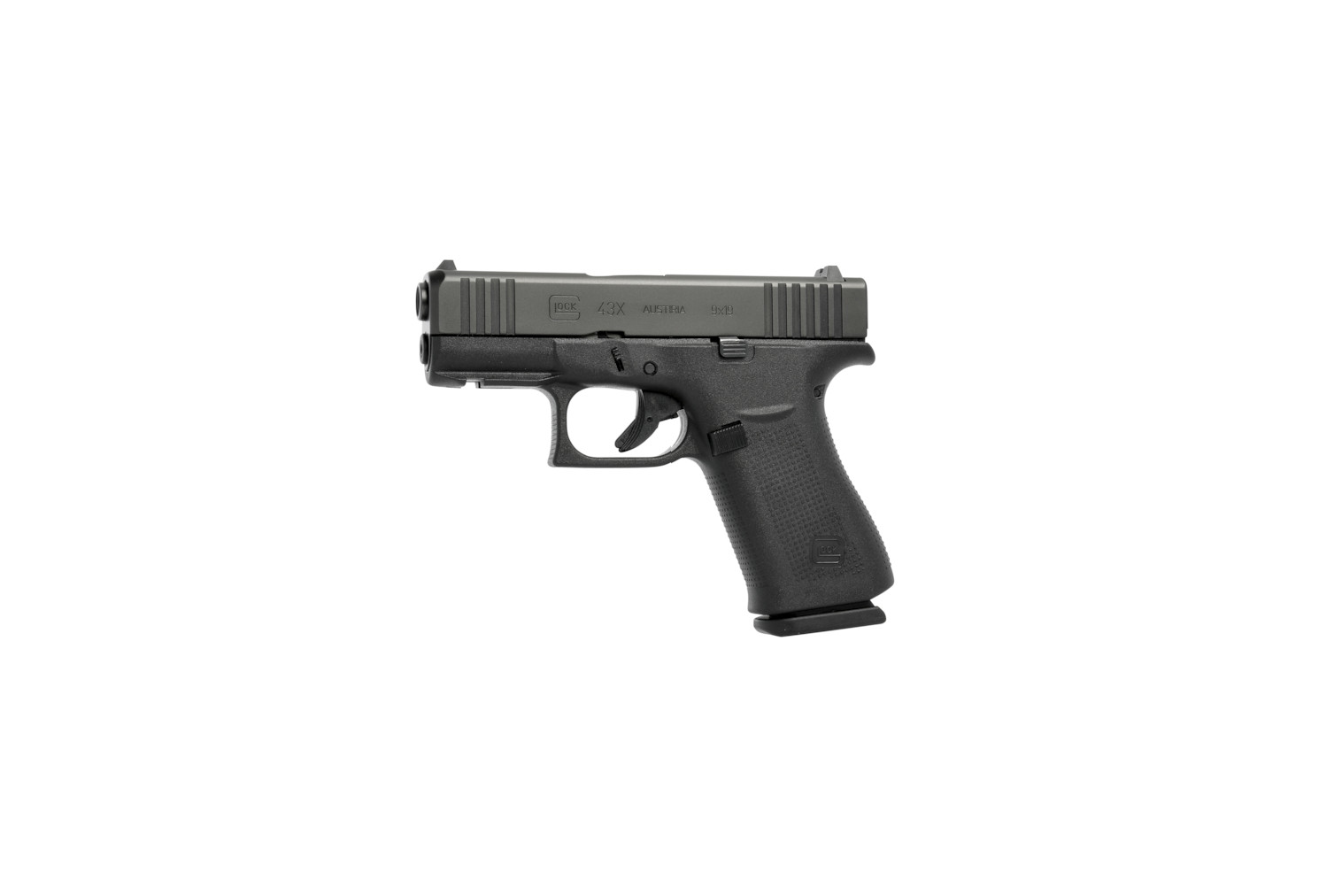
Glock 43X (New 2026) 9mm w/ 15rd Metal Magazines

As a California-licensed firearms dealer, we get a lot of questions about magazine options for the Glock 43X and 48. For years, the only way to increase capacity beyond the standard 10 rounds in California was through a specific, and sometimes problematic, aftermarket path. That changed recently with the introduction of a factory-made 15-round magazine from Glock. Now, our customers at Cal Guns Depot in Sacramento are faced with a choice: the new factory option or the established aftermarket solution from Shield Arms. Having handled and tested both, we’re writing this detailed comparison to cut through the hype and provide a clear, compliance-focused look at what each option means for a California gun owner.

Understanding the California Context

Before we dive into the magazines themselves, it’s crucial to frame this discussion within California law. Standard-capacity magazines holding more than 10 rounds are generally not permitted for sale or transfer to civilians. However, there are legal pathways for possession. This article discusses magazines that are legally acquired through means such as Freedom Week purchases or as part of a legally imported single-shot exempt pistol that is later converted. The critical point for us as a Sacramento FFL is that we can only sell and transfer firearms in a compliant configuration, typically with a 10-round magazine. The upgrade to a 15-round magazine is an after-purchase modification done by the owner, who is solely responsible for ensuring their possession is lawful. This legal nuance is why reliability and simplicity are paramount—your defensive equipment must work without question.

Glock Factory 15-Round Magazine: The Known Quantity

Glock’s entry into this space was a significant development. For the first time, owners of the slimline 43X/48 platform could get increased capacity from the original equipment manufacturer (OEM).

Specs at a Glance

  • Manufacturer: Glock
  • Model: Factory 15-round magazine for Glock 43X/48
  • Material: Steel liner with polymer shell
  • Magazine Catch: Compatible with standard OEM polymer magazine catch
  • Capacity: 15 rounds
  • Approximate Retail: ~$32.73
  • California Roster Note: Not a roster item; a separate accessory.

What’s in the Box

The Glock factory magazine comes in typical Glock packaging. You get the 15-round magazine itself. It does not include a magazine catch or any other parts, as none are needed.

Design and Installation

The core advantage of the Glock factory magazine is its seamless integration. It uses the same hybrid steel-polymer construction as other modern Glock mags. Most importantly, it is designed to work perfectly with the existing polymer magazine catch in your Glock 43X or 48. This means installation is as simple as loading the magazine and inserting it into the pistol. There is no need to disassemble the firearm, swap parts, or modify anything. For California gun owners who may use their pistol for both home defense and roster-compliant carry (with a 10-round mag), this allows for effortless switching between magazine types without any permanent changes to the gun.

Performance and Reliability

In our testing, the Glock factory magazines performed exactly as we expected: flawlessly. We tested with a variety of 9mm ammunition, including 115gr and 124gr FMJ range ammo, as well as several types of JHP defensive loads. Feeding, locking the slide back on empty, and drop-free operation were consistent. This reliability is not surprising—it’s a Glock factory part operating in a Glock-designed system. For daily carry or defensive use, this predictable performance is the primary consideration. The polymer shell also makes the magazine slightly lighter and, in our experience at the range in various Sacramento climates, less prone to attracting grit and debris that can sometimes stick to bare metal.

Shield Arms S15 Gen 3 Magazine: The Aftermarket Contender

Shield Arms pioneered the 15-round capacity for the 43X/48 platform. Their S15 magazine is a fully metal, aftermarket design that has evolved through several generations to address reported issues.

Specs at a Glance

  • Manufacturer: Shield Arms
  • Model: S15 Gen 3
  • Material: Machined aluminum (body), steel (follower/internal parts)
  • Magazine Catch: Requires installation of Shield Arms steel magazine catch
  • Capacity: 15 rounds
  • Approximate Retail: ~$40-$45 (magazine only), plus ~$20 for required steel mag catch
  • California Roster Note: Not a roster item; a separate accessory.

What’s in the Box (for the Magazine)

When you purchase a Shield Arms S15 magazine, you get the metal magazine. The required steel magazine catch is a separate purchase. Some bundles include both.

Design and Installation

The S15 is a well-machined, all-metal magazine. Its installation is not plug-and-play. To function correctly and prevent excessive wear, the S15 requires you to replace your Glock’s factory polymer magazine catch with Shield Arms’ proprietary steel catch. This is a permanent modification to your firearm that involves partial disassembly. While the install is straightforward for most, it changes the gun. This swap means the pistol may not function reliably with the original 10-round polymer Glock magazines, as the steel catch can wear down the polymer mag catch notch. For a California owner, this can be a significant drawback, as it potentially dedicates the pistol to the metal magazines only.

Performance, Reliability, and Reported Concerns

Shield Arms magazines have a dedicated following, and many users report good performance. The Gen 3 version aimed to fix earlier problems. However, in our hands and based on consistent reports from our customers at Cal Guns Depot, we have observed and been informed of ongoing issues that give us pause for a defensive firearm. The most serious reported problem is magazines falling out during firing or under recoil. This appears to be related to tolerance stacking between the magazine, the aftermarket steel catch, and the pistol frame. We have also seen more frequent failures to lock the slide back on the last round with S15s compared to OEM mags. While many function fine, the inconsistency is the problem. When we test gear for potential carry, we need a 100% success rate, not a 95% rate.

Head-to-Head Comparison: Key Decision Factors

Reliability for Daily Carry

This is the most critical category. The Glock factory magazine benefits from integrated design and testing by the pistol’s manufacturer. Our testing showed zero malfunctions attributable to the magazine. The Shield Arms S15, even in Gen 3 form, carries a history of sporadic but serious reliability complaints, primarily the magazine ejection issue. For a tool intended for self-defense, we cannot ignore these reports. Winner: Glock Factory Magazine.

Ease of Use & Reversibility

The Glock magazine requires no gunsmithing, no parts swaps, and no permanent changes. You can run a 10-round OEM mag for compliant carry and a 15-round factory mag for other purposes interchangeably. The Shield Arms path requires a parts change that alters the pistol and may degrade function with OEM mags. Winner: Glock Factory Magazine.

Cost

On the surface, the Glock magazine has a lower MSRP (~$32.73 vs. ~$40+). More importantly, the Glock option has no additional required parts cost. The Shield Arms system requires the $20+ steel magazine catch, making the true starting cost over $60. Winner: Glock Factory Magazine.

Durability & Material

The all-metal construction of the S15 is appealing for long-term wear resistance. The Glock’s polymer shell is durable but can show scuffs more easily. However, the steel-lined Glock magazine is plenty durable for a lifetime of use. This category is closer, but the metal-on-metal wear between the S15 and its required catch is a factor some overlook. Draw.

Pros and Cons Summary

Glock Factory 15-Round Magazine

Pros:

  • Perfect reliability and compatibility with the OEM pistol.
  • No modification to the firearm required.
  • Fully interchangeable with 10-round OEM magazines.
  • Lower total cost (no extra parts needed).
  • Backed by Glock’s reputation and warranty.

Cons:

  • Polymer shell may not feel as premium to some users.
  • Newer to the market than the S15 (though proven in design).

Shield Arms S15 Gen 3 Magazine

Pros:

  • All-metal construction.
  • Proven concept with a large user base.
  • Gen 3 improvements over earlier versions.

Cons:

  • Requires permanent modification (steel mag catch install).
  • Ongoing reports of reliability issues (mags dropping free under recoil).
  • May cause OEM 10-round mags to not function reliably.
  • Higher total cost when including the required magazine catch.
  • Aftermarket warranty and support.

Our Recommendation for California Owners

For the California gun owner, especially one considering the Glock 43X or 48 for any defensive role, the choice is clear in our professional opinion. The Glock factory 15-round magazine is the superior and safer choice. The primary reason is guaranteed reliability without modifying your firearm. California’s legal landscape is complicated enough without adding uncertainty about your equipment’s function. The ability to seamlessly use both 10-round and 15-round magazines in the same pistol is a huge practical advantage for compliance and versatility. While the Shield Arms S15 works for many, the documented risk of catastrophic failure (magazine ejection) is a risk we cannot recommend anyone take with a carry gun. The factory Glock magazine provides increased capacity with zero compromise on the platform’s legendary reliability.

Frequently Asked Questions

Are these 15-round magazines legal to buy in California?

As standalone items, licensed dealers like Cal Guns Depot cannot sell them to the general public. They must be possessed in a lawful manner, such as acquired during Freedom Week or as part of a lawful import. We can only sell the firearm with a compliant 10-round magazine.

Will using the Glock factory 15-round magazine void my Glock warranty?

No. It is a Glock factory part. Using it in your compatible Glock pistol has no impact on the firearm’s warranty.

I already installed the Shield Arms metal mag catch. Can I use the Glock factory 15-round mag?

We do not recommend it. The steel magazine catch may cause accelerated wear on the different metal composition of the Glock factory magazine’s catch notch. It is best to use the magazine catch designed for the magazine you intend to use primarily.

Is the Shield Arms S15 completely unreliable?

Not completely. Many users have no issues. However, the frequency of serious reports (magazines falling out) is high enough that it fails the standard for recommended defensive equipment. For range use only, it may be an acceptable option for some, but not for carry.

Does the Glock factory magazine drop free easily?

In our testing with multiple Glock 43X and 48 pistols, the factory 15-round magazine dropped free cleanly and consistently, just like the standard 10-round magazine.

Can I use these magazines in a single-shot exempt (SSE) pistol conversion?

When dealing with SSE conversions, the configuration during the DROS transfer is what matters legally. The

Ready to buy? The Glock 43X (New 2026) 9mm w/ 15rd Metal Magazines is in stock at Cal Guns Depot — $599.00. View Product →

Posted on

New Pistols 2026: New Releases on the California Roster

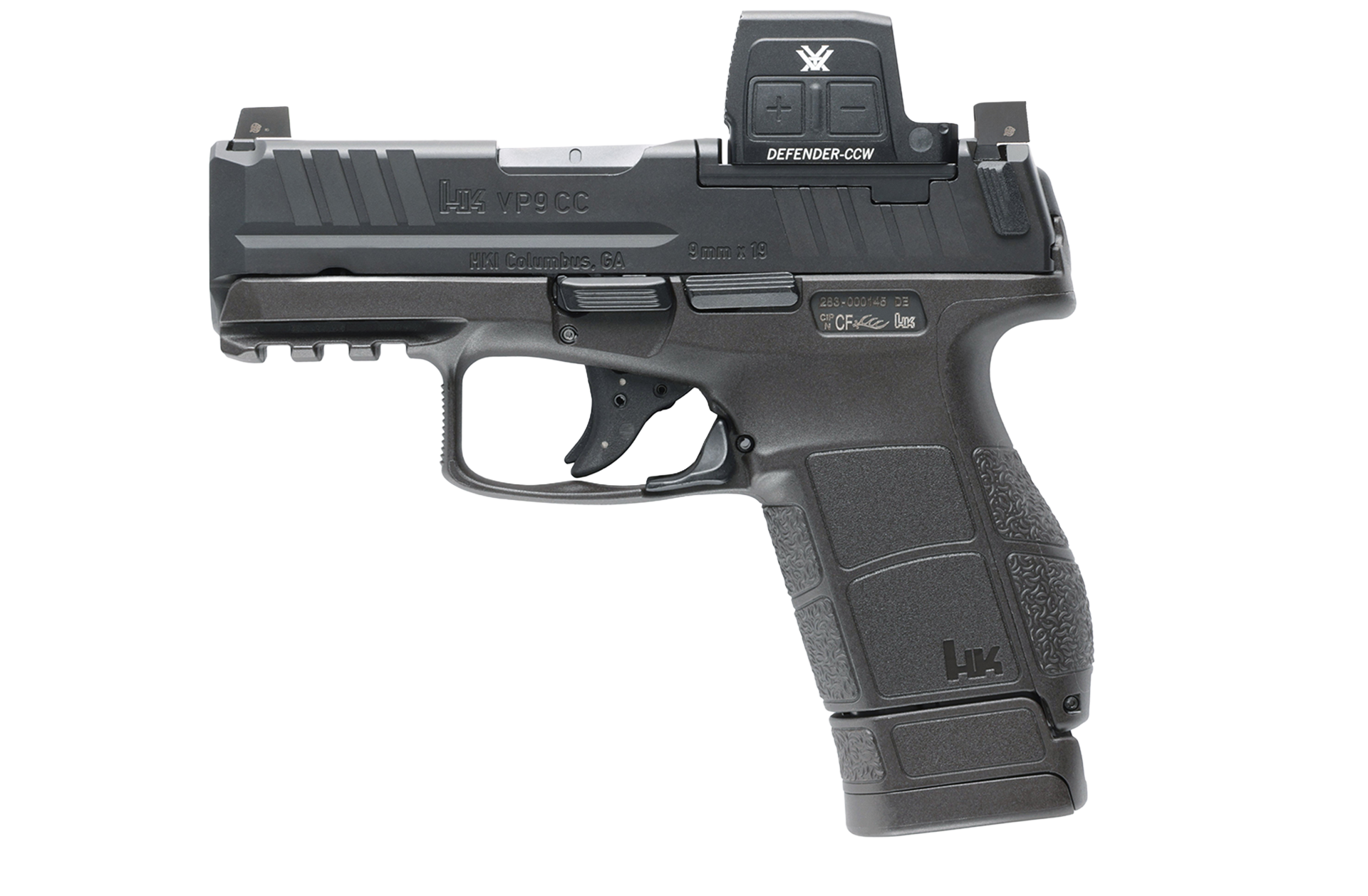
Heckler & Koch VP9CC 9mm Micro Compact w/ Vortex Defender CCW

As a California-licensed firearms dealer, the start of a new year always brings questions about what new handguns we might see on the state’s notoriously restrictive roster. While the roster process means we often get models later than the rest of the country, 2026 is shaping up to be a surprisingly active year for new pistol releases available to Californians through the Single-Shot Exemption (SSE) process and, in some hopeful cases, direct roster addition. At our shop in Sacramento, we’ve been tracking the announcements and early releases closely. Based on what manufacturers are showing and the paperwork we’re seeing, here’s our roundup of the most significant new handguns expected to hit the California market in 2026.

Heckler & Koch VP9CC (Expected April 2026)

Heckler & Koch is finally addressing the concealed carry market more directly with the VP9CC, a dedicated compact version of their popular VP9 striker-fired pistol. While the standard VP9 has been a roster staple for years, its size made it less ideal for daily concealed carry for many shooters here in California. The VP9CC is designed to change that.

Specs at a Glance

  • Caliber: 9mm
  • Barrel Length: 3.6 inches
  • Overall Length: 6.8 inches
  • Height: 4.8 inches
  • Width: 1.3 inches
  • Weight (empty): 22.5 oz
  • Capacity: 10+1 (California-compliant version)
  • MSRP: $749

The VP9CC retains the superb ergonomics and fully ambidextrous controls of its bigger brother, including the famous paddle magazine release. For California, it will be released with 10-round magazines. The real question for us is whether H&K will pursue a direct roster listing or if it will initially be an SSE-only offering. Given their history, we expect it to be available via SSE at Cal Guns Depot and other dealers starting around April, with a roster application to follow.

Who It’s For

This pistol is for the California shooter who values top-tier fit and finish, exceptional ergonomics, and the H&K name but needs a more concealable package. It’s a natural step for current VP9 owners looking for a carry option. The 10-round limit is standard here, so you’re not giving up any capacity compared to a full-size model in our state.

Glock 43X with Factory 15-Round Magazine (Expected Mid-April 2026)

This is a significant update for the popular Glock 43X platform. While the 43X has been available, the new 2026 model includes a redesigned frame and magazine well that accepts a new factory 15-round magazine. Of course, for the California market, this magazine will be permanently blocked to 10 rounds. However, the design itself is the news.

Specs at a Glance

  • Caliber: 9mm
  • Barrel Length: 3.4 inches
  • Overall Length: 6.5 inches
  • Height: 5.0 inches (with new mag)
  • Width: 1.1 inches
  • Weight (empty): 18.7 oz
  • Capacity: 10+1 (with blocked factory mag)
  • MSRP: $499

The importance for Californians is the potential for a more reliable, factory-engineered high-capacity design that’s then neutered to our 10-round law, as opposed to aftermarket modifications. Glock’s roster compliance is generally strong, so we anticipate this model being submitted. We expect SSE availability in mid-April, with a roster listing likely later in the year or early 2027.

Who It’s For

This is for the Glock-centric shooter in California who wants the absolute slimmest possible profile for concealment but appreciates the engineering behind a factory-original higher-capacity design, even if it’s limited for us. It promises the legendary Glock reliability in a very concealable package that’s now more future-proofed should magazine laws ever change.

Canik Mete MC9 Variants (New Finishes & Optics-Ready Models, 2026)

Canik has made huge inroads in California with their value-packed pistols. The Mete MC9, their micro-compact offering, is getting several new variants in 2026. We’re seeing announcements for new duty-style finishes (like a flat dark earth cerakote) and more models that come optics-ready from the factory with improved mounting systems.

Specs at a Glance (Based on Standard MC9)

  • Caliber: 9mm
  • Barrel Length: 3.2 inches
  • Overall Length: 6.1 inches
  • Height: 4.2 inches
  • Width: 1.1 inches
  • Weight (empty): 21.2 oz
  • Capacity: 10+1 (12 & 15-rd mags blocked)
  • MSRP (for new variants): $425 – $475

Canik’s strength is providing features often found on more expensive guns at an aggressive price point. These new variants continue that trend. For California, the key is that Canik has been proactive with the roster. We expect these updated MC9 models to be submitted for roster testing shortly after release, meaning they could be available for direct purchase (not just SSE) by late 2026 or early 2027, which is relatively fast for our market.

Who It’s For

The California shooter looking for the most features per dollar in a micro-compact. The excellent trigger, sight options, and now more robust optics mounting make it a compelling alternative to more established brands. If you want an optics-ready carry gun without breaking the bank, these new MC9 variants should be on your list.

Sig Sauer P365-XMacro Updates (2026)

Sig Sauer’s P365 platform continues to evolve. For 2026, the updates to the XMacro model focus on ergonomic refinements and a new, optional integrated compensator model. The XMacro has been popular in California via SSE due to its longer grip module and higher capacity, which of course is supplied with blocked magazines to 10 rounds.

Specs at a Glance (Updated Model)

  • Caliber: 9mm
  • Barrel Length: 3.1 inches (3.7″ on comp model)
  • Overall Length: 6.6 inches (7.1″ on comp model)
  • Height: 5.2 inches
  • Width: 1.1 inches
  • Weight (empty): 20.5 oz
  • Capacity: 10+1 (via blocked 17-rd mag)
  • MSRP: $799 – $849

The integrated compensator model is interesting for California, as threaded barrels are a concern. Sig has avoided this by making the compensator part of the slide/barrel assembly, not a removable device on a threaded barrel, which helps keep it roster and compliance-friendly. Sig is another company that utilizes the SSE pathway effectively, and we expect these 2026 updates to be available through that process at dealers like ours throughout the year.

Who It’s For

The California shooter who wants a modular, high-capacity-based design (even if limited to 10 rounds) with a full-size grip in a still-compact package. The updated grip texture and the option for an integrated comp are for those who want the flattest possible shooting experience in a carry-legal configuration within our state’s laws.

What’s in the Box (Typical for These Models)

While it varies by manufacturer, you can generally expect the following when purchasing one of these new 2026 pistols in California:

  • The pistol itself, often with multiple backstrap inserts for grip sizing.
  • Two or three 10-round magazines (blocked permanently to comply with CA law).
  • A cable lock or similar safety device, as required by state law.
  • Operator’s manual and warranty information.
  • Optics-ready models may include a cover plate for the slide cut.
  • Some models (like Canik) often include a basic polymer holster and cleaning rod.

Remember, all firearms transferred in California require a state-approved firearm safety device, which is usually included.

Pros and Cons of 2026’s New Releases for California

Pros:

  • More Concealed Carry Options: The trend is clearly towards refined, shootable compacts, giving Californians more choices for lawful carry.
  • Factory 10-Round Compliance: Manufacturers are increasingly building CA-compliant versions from the factory, ensuring reliability.
  • SSE Availability: The Single-Shot Exemption process allows Californians early access to most of these models before they are on the official roster.
  • Optics Ready Standard: Most new models are designed for optics from the start, reflecting modern shooting trends.

Cons:

  • Roster Delays: Except for SSE, the official roster addition process is slow. A “2026 release” may not be on the roster for direct purchase until 2027.
  • SSE Markup: Pistols acquired via the SSE process often carry a higher price due to the extra conversion work required by the FFL.
  • Magazine Limitations: While not new, it’s a constant reminder that these cutting-edge designs are hamstrung by our state’s 10-round limit, which can affect grip design and balance.

Frequently Asked Questions

When will these pistols be available for me to buy in California?

Most will be available via Single-Shot Exemption (SSE) within weeks of their national release. For direct purchase off the roster (which is simpler and often less expensive), you may be waiting for the manufacturer to submit the model for testing, which can take many months. We recommend contacting your local FFL, like Cal Guns Depot in Sacramento, to get on a notification list for specific models.

What is the Single-Shot Exemption (SSE) process?

SSE is a legal method that allows California FFLs to transfer pistols not on the roster. The firearm is temporarily configured as a single-shot pistol (typically with a long barrel and a magazine block) to be exempt from roster requirements. After the transfer, it can be reconverted back to its original semi-auto state. It adds cost and steps but provides access to newer models.

Will these come with 10-round magazines?

Yes. Any reputable dealer importing or selling these in California will ensure they are supplied with magazines permanently limited to 10-round capacity, as required by state law. The Glock 43X’s new 15-round design, for example, will have its magazine pinned to 10 rounds for CA sales.

Are threaded barrels a problem on any of these 2026 models?

Manufacturers are aware of California’s restrictions on threaded barrels (which can be considered an “assault weapon” feature on a semi-auto pistol). The new Sig integrated comp model, for instance, uses a non-threaded, proprietary barrel/slide design to avoid this issue. Always confirm barrel specifications with your FFL before ordering.

Can I have a new 2026 pistol shipped to my local FFL?Ready to buy? The Heckler & Koch VP9CC 9mm Micro Compact w/ Vortex Defender CCW is in stock at Cal Guns Depot — $1099.00. View Product →

Ready to buy? The Canik Mete MC9 9mm Sub-Compact Pistol is in stock at Cal Guns Depot — $499.00. View Product →

Ready to buy? The Glock 43X (New 2026) 9mm w/ 15rd Metal Magazines is in stock at Cal Guns Depot — $599.00. View Product →

Ready to buy? The Sig Sauer P365-XMacro 9mm 17rd Compact Pistol is in stock at Cal Guns Depot — $929.00. View Product →